Expert of Systematic Overall Solution for Calcium Material Resource Utilization

The Essential Guide to Conveying Equipment in Industrial Applications
Jan 31,2026
Conveying equipment plays a vital role in the optimization of industrial processes, particularly in the transportation of materials and products within manufacturing and logistics environments. These systems are designed to move items efficiently from one location to another, reducing manual labor and enhancing productivity. This article delves into the different types of conveying equipment, thei
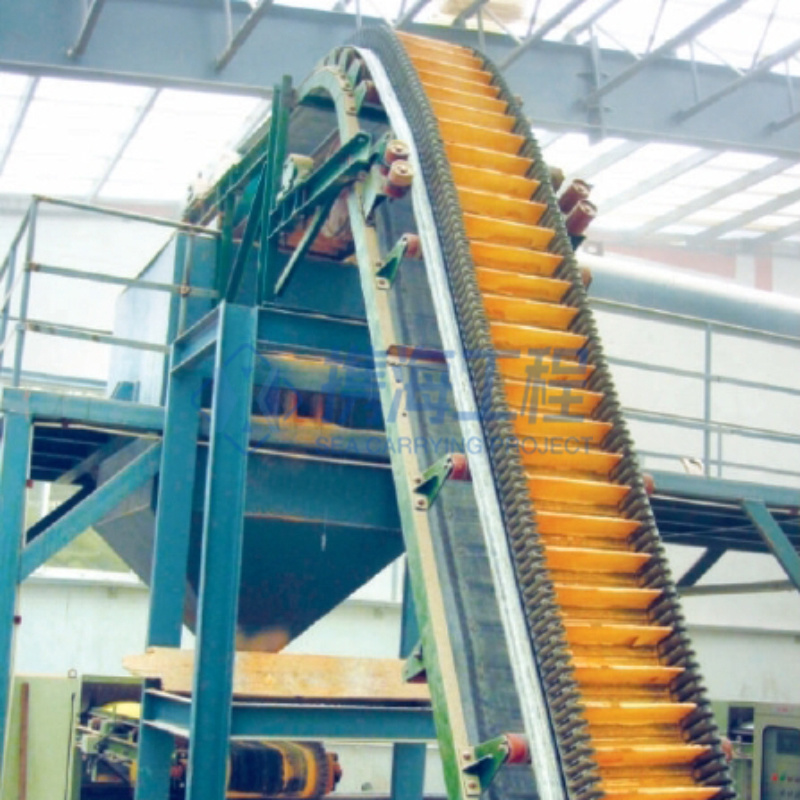
Conveying equipment plays a vital role in the optimization of industrial processes, particularly in the transportation of materials and products within manufacturing and logistics environments. These systems are designed to move items efficiently from one location to another, reducing manual labor and enhancing productivity. This article delves into the different types of conveying equipment, their applications, and the benefits they provide to various industries.
At the heart of conveying equipment are conveyor systems, which can be classified into various types based on their design and functionality. The most common types include belt conveyors, roller conveyors, chain conveyors, and screw conveyors. Each type has its own unique set of features that make it suitable for specific applications. For instance, belt conveyors are ideal for transporting bulk materials over long distances, while roller conveyors are often used for moving packages and pallets in warehouses.
One significant advantage of employing conveying equipment is the improved efficiency in material handling. These systems streamline the workflow, allowing for uninterrupted movement of goods, which minimizes bottlenecks in production lines. This increased efficiency not only saves time but also reduces operational costs, making it a critical investment for businesses aiming to enhance their competitiveness.
Moreover, conveying equipment can be customized to meet the specific needs of different industries. From food and beverage to automotive and pharmaceuticals, the adaptability of conveyor systems allows them to handle a wide range of products, including fragile items, heavy loads, and even hazardous materials. This flexibility is essential for industries that require specialized handling mechanisms to ensure safety and compliance with regulations.
Conveying equipment also contributes to improved safety in the workplace. Automated systems reduce the risk of injuries associated with manual lifting and transporting of heavy items. By minimizing human intervention in material handling, businesses can create a safer working environment, leading to a reduction in accidents and associated costs.
In conclusion, conveying equipment is an indispensable part of modern industrial operations. Understanding the various types of conveyor systems and their applications can help businesses make informed decisions that enhance productivity, safety, and efficiency. As industries continue to evolve, the significance of advanced conveying solutions is likely to grow, paving the way for innovations that will further improve material handling processes. Investing in the right conveying equipment can ultimately lead to sustained growth and success in a competitive market.
At the heart of conveying equipment are conveyor systems, which can be classified into various types based on their design and functionality. The most common types include belt conveyors, roller conveyors, chain conveyors, and screw conveyors. Each type has its own unique set of features that make it suitable for specific applications. For instance, belt conveyors are ideal for transporting bulk materials over long distances, while roller conveyors are often used for moving packages and pallets in warehouses.
One significant advantage of employing conveying equipment is the improved efficiency in material handling. These systems streamline the workflow, allowing for uninterrupted movement of goods, which minimizes bottlenecks in production lines. This increased efficiency not only saves time but also reduces operational costs, making it a critical investment for businesses aiming to enhance their competitiveness.
Moreover, conveying equipment can be customized to meet the specific needs of different industries. From food and beverage to automotive and pharmaceuticals, the adaptability of conveyor systems allows them to handle a wide range of products, including fragile items, heavy loads, and even hazardous materials. This flexibility is essential for industries that require specialized handling mechanisms to ensure safety and compliance with regulations.
Conveying equipment also contributes to improved safety in the workplace. Automated systems reduce the risk of injuries associated with manual lifting and transporting of heavy items. By minimizing human intervention in material handling, businesses can create a safer working environment, leading to a reduction in accidents and associated costs.
In conclusion, conveying equipment is an indispensable part of modern industrial operations. Understanding the various types of conveyor systems and their applications can help businesses make informed decisions that enhance productivity, safety, and efficiency. As industries continue to evolve, the significance of advanced conveying solutions is likely to grow, paving the way for innovations that will further improve material handling processes. Investing in the right conveying equipment can ultimately lead to sustained growth and success in a competitive market.
Previous article



Telephone
Company Address
Weier Business 801, No. 92 Huai'an East Road, Yuhua District, Shijiazhuang City, Hebei Province