Expert of Systematic Overall Solution for Calcium Material Resource Utilization

Navigating Supply Chain Challenges in Drying Equipment Production: Strategies for Success
Mar 07,2026
Navigating Supply Chain Challenges in Drying Equipment Production
Table of Contents
1. Introduction: Understanding Supply Chain Dynamics
2. The Importance of Drying Equipment in Various Industries
3. Common Supply Chain Challenges in Drying Equipment Production
4. Strategies for Optimizing Supply Chain Management
4.1 Leveraging Technology for Efficiency
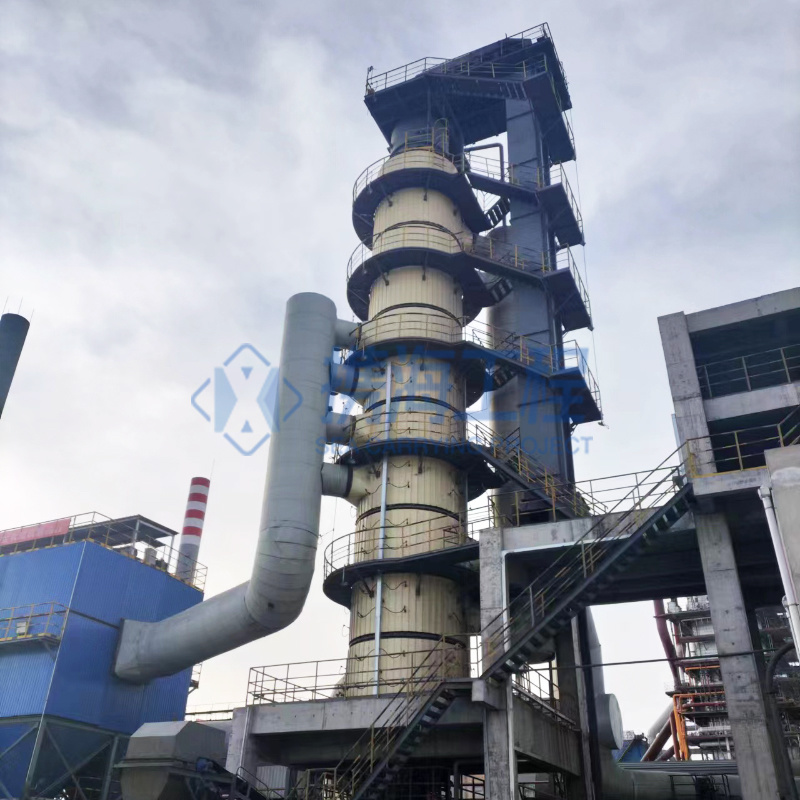
Navigating Supply Chain Challenges in Drying Equipment Production
Table of Contents
- 1. Introduction: Understanding Supply Chain Dynamics
- 2. The Importance of Drying Equipment in Various Industries
- 3. Common Supply Chain Challenges in Drying Equipment Production
- 4. Strategies for Optimizing Supply Chain Management
- 4.1 Leveraging Technology for Efficiency
- 4.2 Implementing Risk Management Techniques
- 4.3 Enhancing Supplier Relationship Management
- 5. Future Trends in the Supply Chain for Drying Equipment
- 6. Case Studies: Successful Supply Chain Management
- 7. FAQs
- 8. Conclusion: Embracing Change for Growth
1. Introduction: Understanding Supply Chain Dynamics
Navigating the complexities of the **supply chain** is a critical factor for success in the production of **drying equipment**. As global markets evolve and technology progresses, manufacturers face a myriad of challenges that can disrupt production processes. Understanding these dynamics is essential for businesses looking to optimize their operations and maintain a competitive edge.
2. The Importance of Drying Equipment in Various Industries
Drying equipment plays a vital role in numerous industries such as food processing, pharmaceuticals, textiles, and chemicals. The effectiveness of drying processes not only affects product quality but also impacts overall production efficiency and costs. When businesses navigate supply chain challenges effectively, they can ensure timely delivery of quality products, thus meeting market demands.
3. Common Supply Chain Challenges in Drying Equipment Production
Manufacturers of drying equipment encounter various challenges that can impede efficiency and profitability. Understanding these obstacles is crucial for devising effective solutions.
3.1 Demand Forecasting Issues
Accurate demand forecasting is essential for maintaining optimal inventory levels. Fluctuations in market demand can lead to either surplus inventory or stockouts, both of which can be detrimental to profitability.
3.2 Supply Chain Disruptions
Natural disasters, political instability, and global pandemics can disrupt supply chains significantly. These disruptions may affect the availability of raw materials and components necessary for production.
3.3 Quality Control Problems
Quality issues can arise when sourcing materials from multiple suppliers. Inconsistent quality can lead to production delays and increased costs.
3.4 Regulatory Compliance
Navigating the regulatory landscape can be complex, especially when dealing with international suppliers. Compliance with safety and environmental regulations is crucial to avoid legal issues.
4. Strategies for Optimizing Supply Chain Management
Implementing effective strategies to address supply chain challenges is essential for enhancing the production of drying equipment. Here are key strategies that can lead to significant improvements.
4.1 Leveraging Technology for Efficiency
Modern technology offers numerous tools that can streamline and optimize supply chain processes. **Enterprise Resource Planning (ERP)** systems, **Inventory Management Software**, and **Supply Chain Management (SCM)** tools can enhance visibility and coordination across the supply chain.
4.2 Implementing Risk Management Techniques
Establishing a robust risk management framework helps identify potential risks within the supply chain. Techniques such as scenario planning, contingency planning, and regular risk assessments can mitigate the impact of disruptions.
4.3 Enhancing Supplier Relationship Management
Building strong relationships with suppliers fosters collaboration and ensures better communication. Engaging in regular dialogue can lead to shared goals, improved quality control, and better pricing arrangements.
5. Future Trends in the Supply Chain for Drying Equipment
As technology and market dynamics evolve, several trends are shaping the future of supply chain management in drying equipment production.
5.1 Automation and Robotics
The integration of automation and robotics in supply chains can significantly enhance efficiency. Automated systems for inventory management and order processing can reduce human error and streamline operations.
5.2 Artificial Intelligence and Data Analytics
The use of **AI** and advanced data analytics can improve demand forecasting and inventory management. By analyzing historical data, businesses can make informed decisions that optimize production schedules.
5.3 Sustainability in Supply Chain Practices
As companies become more environmentally conscious, sustainable practices in supply chain management are gaining importance. Utilizing eco-friendly materials and reducing waste can enhance brand reputation and appeal to environmentally conscious consumers.
6. Case Studies: Successful Supply Chain Management
Exploring real-world examples of effective supply chain management can provide valuable insights.
6.1 Case Study: Innovative Approaches in a Food Processing Company
A leading food processing company implemented an advanced ERP system that improved inventory tracking and demand forecasting. As a result, they reduced excess inventory by 30% and improved production efficiency.
6.2 Case Study: Streamlining Operations in Textile Manufacturing
A textile manufacturer faced challenges with supplier quality. By enhancing supplier relationships and implementing a rigorous quality control process, they reduced defects by 25% and improved overall production times.
7. FAQs
7.1 What are the main challenges in the supply chain for drying equipment?
The main challenges include demand forecasting issues, supply chain disruptions, quality control problems, and regulatory compliance.
7.2 How can technology improve supply chain efficiency?
Technology solutions like ERP systems and SCM tools provide visibility, streamline processes, and improve coordination among supply chain partners.
7.3 Why is supplier relationship management important?
Strong supplier relationships foster collaboration, improve communication, and lead to better quality control and pricing negotiations.
7.4 What role does sustainability play in supply chain management?
Sustainability practices enhance brand reputation, meet consumer demand for eco-friendly products, and can also lead to cost savings through waste reduction.
7.5 How can businesses prepare for supply chain disruptions?
Businesses can prepare by implementing risk management techniques, diversifying suppliers, and establishing contingency plans to respond to potential disruptions.
8. Conclusion: Embracing Change for Growth
Navigating supply chain challenges in the production of drying equipment requires a proactive and strategic approach. By leveraging technology, enhancing supplier relationships, and adapting to future trends, manufacturers can improve efficiency, reduce costs, and ultimately drive growth. Embracing these changes is essential for thriving in an ever-evolving market landscape.
Previous article



Telephone
Company Address
Weier Business 801, No. 92 Huai'an East Road, Yuhua District, Shijiazhuang City, Hebei Province