Expert of Systematic Overall Solution for Calcium Material Resource Utilization

Dust Removal Equipment: Essential Technology for Industrial Air Purification and Environmental Protection
Mar 09,2026

Dust removal equipment plays a vital role in modern industrial production by controlling and eliminating airborne dust particles generated during manufacturing processes. In industries such as mining, metallurgy, cement production, power generation, woodworking, chemical processing, and construction materials manufacturing, large quantities of dust can be produced. Without effective dust control systems, these particles can pollute the environment, reduce air quality, damage equipment, and pose serious health risks to workers. Dust removal equipment is therefore an essential component of modern industrial facilities, helping to maintain clean air, ensure workplace safety, and comply with environmental regulations.
Dust removal equipment works by capturing, separating, and filtering dust particles from industrial exhaust gases or ambient air. The basic principle involves drawing dusty air into a filtration system where particles are removed through various mechanical, physical, or electrostatic processes. Clean air is then released back into the environment or recirculated within the facility. This process significantly reduces airborne pollutants and helps maintain a safe and comfortable working environment.
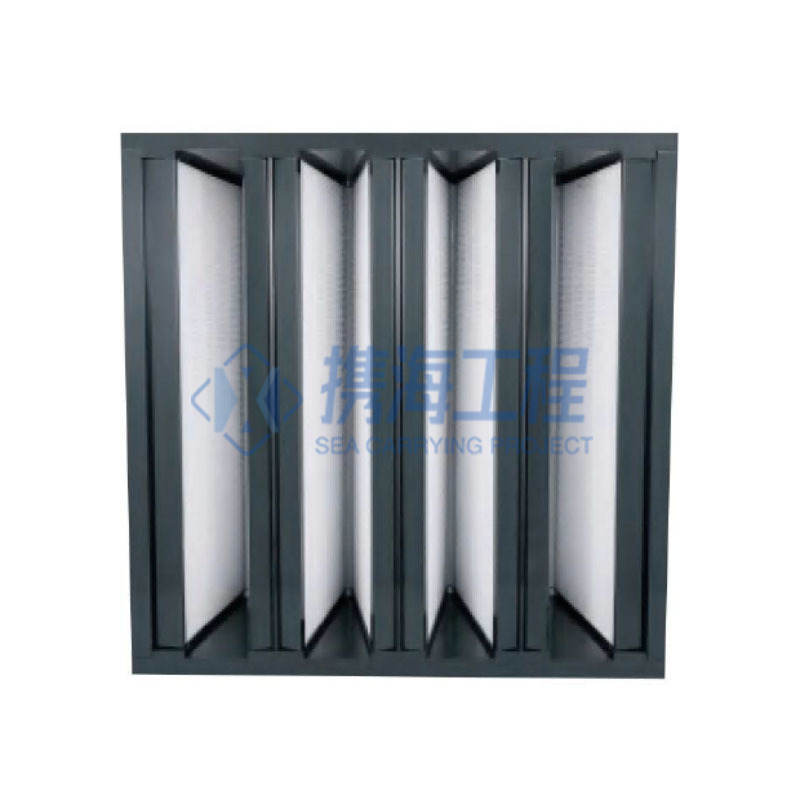
There are several types of dust removal equipment, each designed for specific applications and particle characteristics. One of the most common types is the baghouse dust collector, also known as a fabric filter. This system uses fabric filter bags to capture dust particles as air passes through them. Dust accumulates on the surface of the bags and is periodically removed through shaking, reverse air flow, or pulse-jet cleaning. Baghouse dust collectors are highly efficient and capable of capturing very fine particles, making them widely used in industries such as cement, steel, and chemical processing.
Another widely used dust removal system is the cyclone dust collector. Cyclone collectors use centrifugal force to separate dust particles from the air stream. Dust-laden air enters the cyclone chamber at high speed and begins to spin in a circular motion. The centrifugal force pushes heavier dust particles toward the outer wall of the chamber, where they lose momentum and fall into a collection hopper. Cyclone dust collectors are simple in design, durable, and suitable for removing large or coarse particles. They are often used as a pre-separation device before more advanced filtration systems.
Electrostatic precipitators are another important type of dust removal equipment, commonly used in large-scale industrial facilities such as power plants and heavy manufacturing plants. In this system, dust particles are electrically charged as they pass through a high-voltage electric field. The charged particles are then attracted to oppositely charged collection plates, where they accumulate and are periodically removed. Electrostatic precipitators are highly efficient for capturing very fine particles and can handle large volumes of gas flow.
Wet scrubbers represent another category of dust removal technology. In a wet scrubber system, dusty air is brought into contact with liquid—usually water—which captures and removes dust particles from the air stream. The particles become trapped in the liquid droplets and are separated from the airflow. Wet scrubbers are particularly effective for removing both dust and certain gaseous pollutants, making them suitable for chemical and industrial processes that produce hazardous emissions.
Modern dust removal equipment often integrates advanced technologies to improve efficiency and automation. For example, many systems include automated pulse cleaning mechanisms, digital monitoring systems, and intelligent control units. These features allow operators to monitor air pressure, filtration efficiency, and system performance in real time. Automated systems can also optimize cleaning cycles and energy consumption, ensuring stable operation while reducing operating costs.
Energy efficiency is an increasingly important factor in the design of dust removal systems. Industrial facilities often operate continuously, so energy consumption can be significant. Modern dust collectors are designed with optimized airflow channels, high-efficiency fans, and low-resistance filter materials to reduce power usage. By improving energy efficiency, companies can lower operational costs while maintaining effective environmental protection.
Dust removal equipment also contributes to equipment protection and product quality. In manufacturing environments, airborne dust can accumulate on machinery, causing wear, overheating, or mechanical failure. By capturing dust at the source, dust collection systems help extend the lifespan of production equipment and reduce maintenance requirements. Additionally, in industries such as electronics, pharmaceuticals, and food processing, maintaining a clean production environment is essential for ensuring product quality and safety.
Another important aspect of dust removal equipment is its role in occupational health and safety. Prolonged exposure to industrial dust can lead to respiratory diseases and other health problems for workers. Effective dust control systems reduce the concentration of airborne particles, helping to protect workers from harmful exposure. Many countries have strict regulations governing industrial air quality and workplace safety, making dust removal equipment essential for regulatory compliance.
The design and selection of dust removal equipment depend on several factors, including dust particle size, concentration, temperature, humidity, and the type of industrial process. Engineers must carefully evaluate these factors to determine the most suitable dust control solution. In some cases, multiple types of dust removal equipment are combined to achieve optimal performance. For example, a cyclone separator may be used as a pre-filter before a baghouse system to remove larger particles and reduce the load on the main filtration unit.
Maintenance and proper operation are also critical for ensuring the long-term efficiency of dust removal equipment. Regular inspection of filters, fans, ducts, and collection hoppers helps prevent blockages and ensures stable airflow. Replacing worn filter materials and cleaning dust accumulation are essential steps in maintaining system performance. With proper maintenance, modern dust removal systems can operate reliably for many years.
As environmental awareness continues to grow worldwide, governments and industries are placing greater emphasis on air pollution control and sustainable production. Dust removal equipment has become an indispensable part of industrial environmental management. By reducing airborne emissions, improving workplace safety, and protecting surrounding communities from pollution, these systems play a key role in promoting cleaner and more responsible industrial development.
In conclusion, dust removal equipment is a critical technology for maintaining clean air and safe working conditions in industrial environments. Through advanced filtration methods, automated control systems, and energy-efficient designs, modern dust removal systems provide effective solutions for controlling industrial dust pollution. As industries continue to pursue environmental sustainability and operational efficiency, dust removal equipment will remain an essential component of modern manufacturing and environmental protection strategies.
Previous article




Telephone
Company Address
Weier Business 801, No. 92 Huai'an East Road, Yuhua District, Shijiazhuang City, Hebei Province