Expert of Systematic Overall Solution for Calcium Material Resource Utilization

High Efficiency Furnace Filters: Ensuring a Healthier Work Environment
Mar 21,2026
High Efficiency Furnace Filters: Ensuring a Healthier Work Environment
Table of Contents
1. Introduction to High Efficiency Furnace Filters
2. The Importance of Air Quality in the Workplace
3. Types of High Efficiency Furnace Filters
3.1 Understanding MERV Ratings
3.2 Pleated Filters vs. Non-Pleated Filters
3.3 Electrostat
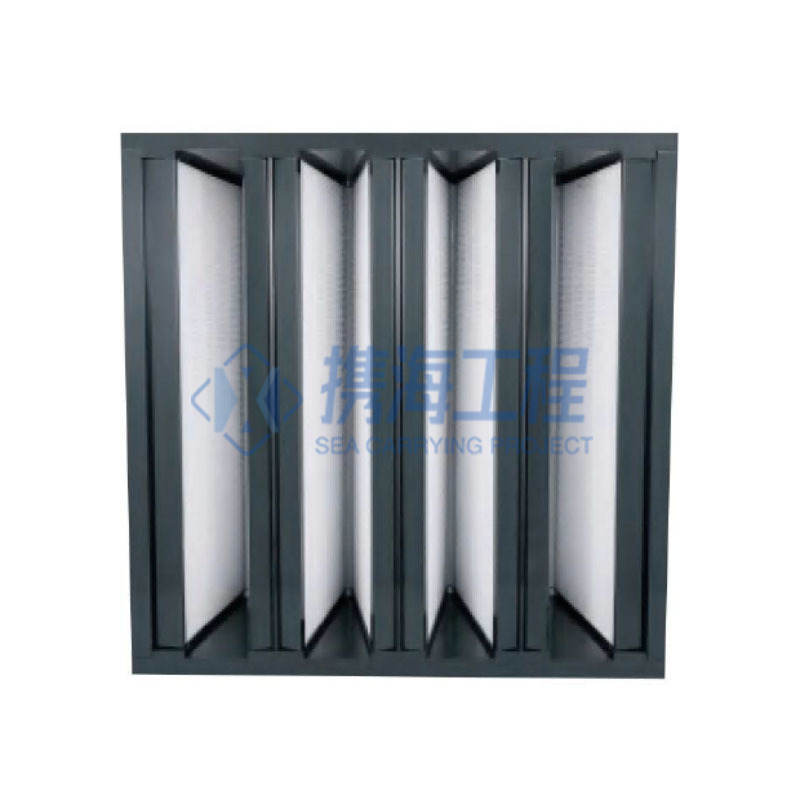
High Efficiency Furnace Filters: Ensuring a Healthier Work Environment
Table of Contents
- 1. Introduction to High Efficiency Furnace Filters
- 2. The Importance of Air Quality in the Workplace
- 3. Types of High Efficiency Furnace Filters
- 3.1 Understanding MERV Ratings
- 3.2 Pleated Filters vs. Non-Pleated Filters
- 3.3 Electrostatic Filters
- 4. Installation and Maintenance of Furnace Filters
- 5. Benefits of Using High Efficiency Furnace Filters
- 6. Common Misconceptions About Furnace Filters
- 7. The Impact of Furnace Filters on Health and Productivity
- 8. Frequently Asked Questions
- 9. Conclusion
1. Introduction to High Efficiency Furnace Filters
In today's industrial environment, ensuring a **clean and healthy workplace** is critical. One of the most effective ways to achieve this is through the use of **high efficiency furnace filters**. These filters not only play a vital role in maintaining HVAC systems but also contribute significantly to **indoor air quality** (IAQ). In this article, we will delve deeper into the various aspects of high efficiency furnace filters, their types, benefits, and how they can create a healthier work environment.
2. The Importance of Air Quality in the Workplace
Maintaining **optimal air quality** in the workplace is essential for several reasons. Poor air quality can lead to various health issues, including respiratory problems, allergies, and fatigue. Furthermore, it can significantly impact employee productivity and overall morale. By investing in high efficiency furnace filters, businesses can ensure that the air their employees breathe is free from harmful particles, allergens, and pollutants. This, in turn, leads to a **healthier work environment** and reduces the likelihood of sick days and medical claims.
3. Types of High Efficiency Furnace Filters
When it comes to high efficiency furnace filters, there are several options available, each with its unique features and advantages. Understanding these types can help businesses make informed decisions.
3.1 Understanding MERV Ratings
The **Minimum Efficiency Reporting Value (MERV)** rating is an essential factor to consider when selecting a furnace filter. MERV ratings range from 1 to 16, with higher numbers indicating better filtration efficiency. A filter with a higher MERV rating can capture smaller particles, making it ideal for industrial environments where pollutants can be prevalent. For instance, filters rated MERV 13 and higher are recommended for commercial settings, as they can trap dust, pollen, pet dander, and even smoke particles.
3.2 Pleated Filters vs. Non-Pleated Filters
**Pleated filters** are designed with folds or pleats that increase the surface area available for trapping particles. This design allows pleated filters to last longer and perform better than **non-pleated filters**, which generally have a flat design. While non-pleated filters may be less expensive initially, they often require more frequent replacement, making pleated filters a more cost-effective solution in the long run.
3.3 Electrostatic Filters
**Electrostatic filters** use static electricity to attract and capture airborne particles. These filters are washable and reusable, which can save businesses money over time. However, they require regular cleaning to maintain their effectiveness. Electrostatic filters can be particularly beneficial in environments with high levels of dust and contaminants.
4. Installation and Maintenance of Furnace Filters
Proper installation and regular maintenance of high efficiency furnace filters are crucial for maximizing their benefits.
4.1 Installation Tips
Installing a furnace filter may seem straightforward, but attention to detail can make a significant difference. Here are some essential tips for installation:
- **Check the Size**: Ensure you select the correct size filter for your furnace. A filter that is too small can allow unfiltered air to bypass it, while one that is too large can cause airflow issues.
- **Follow the Arrows**: Most filters come with arrows indicating the direction of airflow. Make sure to insert the filter in the correct orientation to ensure optimal performance.
- **Securely Fit**: Ensure the filter is securely fitted in its slot to prevent air leaks.
4.2 Maintenance Practices
Regular maintenance is key to ensuring that your high efficiency furnace filters continue to perform effectively. Here are some best practices:
- **Check and Replace Regularly**: Depending on the type of filter, you may need to check and replace it every 1 to 3 months. Filters in high-traffic environments may need to be changed more frequently.
- **Clean Surrounding Areas**: Keeping the area around the furnace clean can reduce the amount of dust and debris that enters the filter.
- **Monitor Indoor Air Quality**: Consider using air quality monitors to assess the effectiveness of your filters and whether they need replacing.
5. Benefits of Using High Efficiency Furnace Filters
Investing in high efficiency furnace filters offers numerous benefits, making them a wise choice for any workplace. Here are some key advantages:
5.1 Improved Indoor Air Quality
High efficiency furnace filters are designed to capture a wide range of airborne pollutants, including dust, allergens, and other harmful particles. By improving indoor air quality, these filters create a healthier environment for employees.
5.2 Enhanced HVAC System Performance
When filters are clean and functioning correctly, HVAC systems operate more efficiently. This can lead to lower energy costs and extend the lifespan of equipment.
5.3 Reduction of Allergens and Irritants
Employees suffering from allergies or respiratory conditions benefit significantly from high efficiency filters. By trapping allergens, these filters help minimize the risk of health issues related to poor air quality.
5.4 Cost-Effectiveness
Although high efficiency furnace filters may have a higher upfront cost, their durability and effectiveness can lead to savings in the long run through reduced energy bills and fewer health-related costs.
6. Common Misconceptions About Furnace Filters
There are several misconceptions surrounding furnace filters that can lead to poor decisions. Understanding the truth about these filters can help businesses make better choices.
6.1 “The Higher the MERV, the Better”
While higher MERV ratings indicate better filtration, they can also restrict airflow if not matched to the HVAC system's capacity. It’s essential to find a balance between filtration efficiency and system compatibility.
6.2 “All Filters Are Created Equal”
Not all furnace filters provide the same level of protection. It's vital to choose filters specifically designed for high efficiency to ensure optimal air quality.
6.3 “Once Installed, Filters Don’t Need Regular Checks”
This misconception can lead to diminished filter performance. Regular checks and maintenance are crucial for ensuring that filters continue to operate effectively.
7. The Impact of Furnace Filters on Health and Productivity
The connection between air quality and employee health is well-documented. Improved air quality through high efficiency furnace filters can lead to:
7.1 Reduced Sick Days
By minimizing allergens and pollutants, high efficiency filters can reduce incidences of illness in the workplace, leading to fewer sick days.
7.2 Enhanced Employee Productivity
Healthier employees are generally more productive. Clean air can lead to improved concentration and energy levels.
7.3 Overall Well-Being
A commitment to maintaining air quality reflects a workplace's concern for employee well-being, fostering loyalty and morale.
8. Frequently Asked Questions
8.1 How often should I change my high efficiency furnace filter?
Typically, filters should be checked and replaced every 1 to 3 months, depending on usage and environmental factors.
8.2 Can I wash and reuse filters?
Some filters, like electrostatic ones, can be washed and reused, but it’s essential to follow the manufacturer's instructions for cleaning.
8.3 Do high efficiency filters make my HVAC system work harder?
If the filter is compatible with your system, it should not cause significant strain. However, always consult with an HVAC professional when selecting filters.
8.4 Are high efficiency furnace filters worth the cost?
Yes, they are generally a cost-effective solution due to their ability to improve air quality and reduce energy costs over time.
8.5 What kind of particles can high efficiency filters capture?
These filters can capture a wide range of particles, including dust, pollen, pet dander, mold spores, smoke, and even some bacteria and viruses.
9. Conclusion
In conclusion, investing in **high efficiency furnace filters** is crucial for ensuring a healthier work environment. These filters significantly improve indoor air quality, enhance HVAC performance, and contribute to employee well-being and productivity. By understanding the various types of filters available and implementing proper maintenance practices, businesses can create a safer and more comfortable workplace for their employees. Prioritizing air quality through high efficiency furnace filters not only supports health but also demonstrates a commitment to employee welfare, ultimately leading to a more productive and harmonious work environment.




Telephone
Company Address
Weier Business 801, No. 92 Huai'an East Road, Yuhua District, Shijiazhuang City, Hebei Province