Expert of Systematic Overall Solution for Calcium Material Resource Utilization

Essential Guide to Dust Removal Equipment for Industrial Applications
May 23,2026
In industrial environments, dust removal equipment plays a crucial role in maintaining air quality and ensuring a safe workplace. Dust and particulate matter can accumulate during manufacturing processes, posing health risks to employees and leading to reduced operational efficiency. Therefore, understanding the various types of dust removal equipment, their functions, and their benefits is essent

In industrial environments, dust removal equipment plays a crucial role in maintaining air quality and ensuring a safe workplace. Dust and particulate matter can accumulate during manufacturing processes, posing health risks to employees and leading to reduced operational efficiency. Therefore, understanding the various types of dust removal equipment, their functions, and their benefits is essential for any industrial operation.
One of the primary types of dust removal equipment is the dust collector. These systems are designed to capture airborne particulate matter generated during manufacturing processes. Dust collectors come in various designs, including baghouse systems, cartridge collectors, and cyclone separators. Each type has its unique features, making them suitable for different applications. For example, baghouse systems are highly effective for large volumes of dust, while cartridge collectors offer compact solutions ideal for smaller spaces.
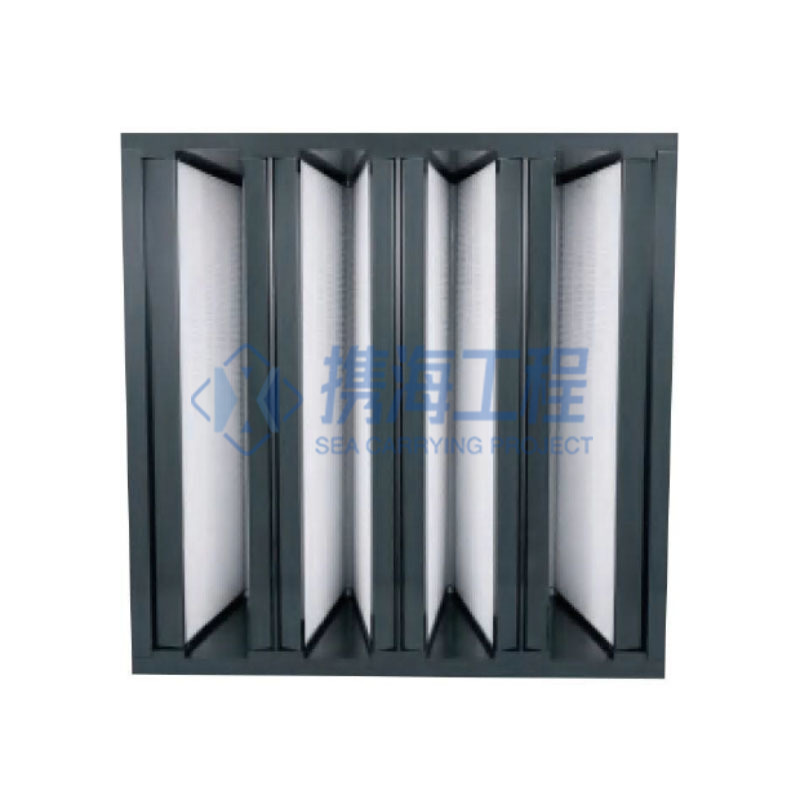
Another essential piece of equipment is the industrial vacuum cleaner. Unlike standard vacuums, industrial-grade vacuums are built to handle heavy-duty cleaning tasks, efficiently removing dust and debris from floors, machinery, and work surfaces. Many models are equipped with HEPA filters, which can trap fine dust particles, ensuring that the air remains clean and safe for workers.
In addition to dust collectors and vacuum cleaners, fume extraction systems are vital for controlling harmful fumes and vapors generated during welding, soldering, and other processes. These systems can significantly reduce the concentration of hazardous substances in the air, protecting workers from respiratory issues.
Implementing dust removal equipment not only improves air quality but also enhances workplace safety and productivity. Dust accumulation can lead to slip hazards, equipment malfunctions, and even fire risks in certain industries. By investing in appropriate dust removal solutions, businesses can mitigate these risks and ensure compliance with occupational health and safety regulations.
Furthermore, regular maintenance of dust removal systems is crucial for their optimal performance. Neglecting maintenance can lead to decreased efficiency, increased energy consumption, and even system failures. Regular filter changes, cleaning, and inspections help maintain the effectiveness of dust removal equipment and prolong its lifespan.
In conclusion, selecting the right dust removal equipment is essential for any industrial operation that prioritizes safety and efficiency. By understanding the various options available and their specific applications, businesses can create a cleaner, safer, and more productive work environment. With the right systems in place, companies can effectively manage dust and particulate matter, ultimately leading to improved health outcomes for employees and greater operational success.
Previous article




Telephone
Company Address
Weier Business 801, No. 92 Huai'an East Road, Yuhua District, Shijiazhuang City, Hebei Province