Expert of Systematic Overall Solution for Calcium Material Resource Utilization

High Efficiency Furnace Filters: Key to Energy Star Ratings
Oct 17,2026
High Efficiency Furnace Filters: Key to Energy Star Ratings
Understanding Energy Star Ratings
Energy Star ratings serve as a benchmark for energy efficiency across various appliances and systems, including HVAC units. By adhering to these standards, homeowners can significantly reduce energy consumption, lower utility bills, and minimize environmental impact. High-efficiency furnace filters play a
High Efficiency Furnace Filters: Key to Energy Star Ratings
Understanding Energy Star Ratings
Energy Star ratings serve as a benchmark for energy efficiency across various appliances and systems, including HVAC units. By adhering to these standards, homeowners can significantly reduce energy consumption, lower utility bills, and minimize environmental impact. High-efficiency furnace filters play a crucial role in achieving these ratings by optimizing airflow and enhancing indoor air quality.
The Importance of High Efficiency Furnace Filters
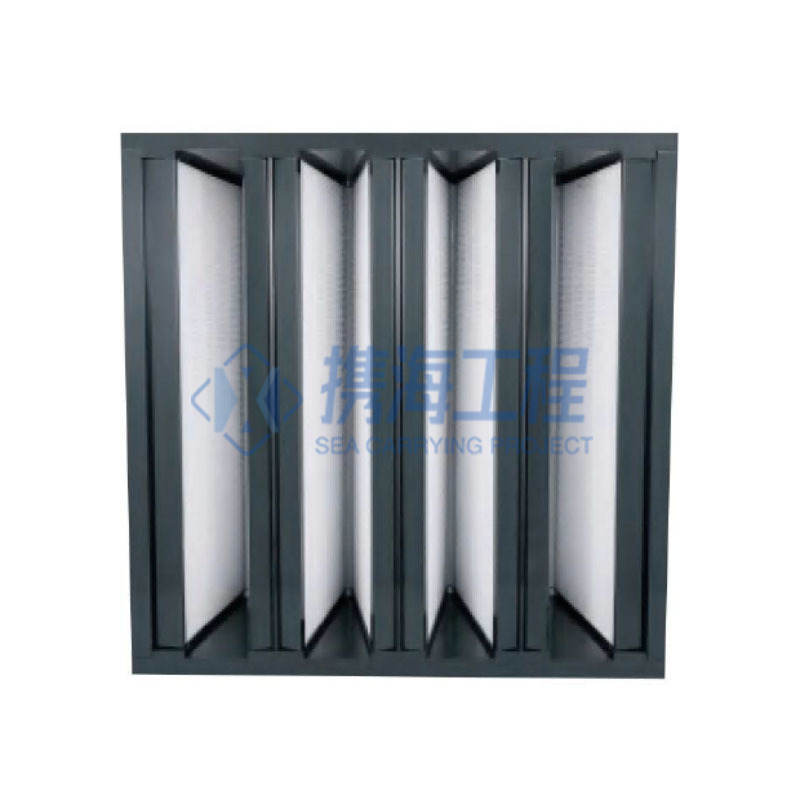
High efficiency furnace filters are designed to trap a greater amount of airborne particles, including dust, pollen, and pet dander, compared to standard filters. This results in improved indoor air quality and a healthier living environment. Additionally, these filters assist in maintaining the efficiency of heating and cooling systems, which is paramount for achieving Energy Star ratings.
Benefits of High Efficiency Furnace Filters
1. **Improved Indoor Air Quality**
High efficiency filters capture smaller particles that traditional filters may miss, leading to cleaner air and reduced allergens in your home.
2. **Enhanced Energy Efficiency**
By reducing the workload on HVAC systems, high-efficiency filters contribute to lower energy consumption, helping your home achieve Energy Star ratings.
3. **Extended System Lifespan**
Keeping your furnace and air conditioning units clean from particulate buildup can extend their lifespan, saving you money on replacements.
4. **Cost Savings on Utility Bills**
With improved energy efficiency, homeowners often notice a decrease in their monthly utility bills, providing financial relief.
Types of High Efficiency Furnace Filters
Understanding the different types of high-efficiency filters available can help homeowners choose the best option for their needs.
HEPA Filters
High-Efficiency Particulate Air (HEPA) filters capture at least 99.97% of particles that are 0.3 microns in size. They are ideal for individuals with allergies or respiratory issues.
Electrostatic Filters
Electrostatic filters use static electricity to attract and trap particles. They are washable and reusable, making them an eco-friendly option.
Media Filters
These filters have a larger surface area, allowing them to capture more pollutants and last longer than traditional disposable filters.
Washable Filters
Designed for longevity, washable filters can be cleaned and reused, providing a cost-effective solution for maintaining air quality.
Installation of High Efficiency Furnace Filters
Proper installation of high-efficiency filters is essential for optimizing their performance. Here are some vital steps to consider:
Step-by-Step Installation Guide
1. **Turn Off the System**
Always turn off the furnace or HVAC system before attempting to replace or install a filter to prevent any injuries.
2. **Locate the Filter Slot**
Identify the filter slot location, usually found near the air handler, return air duct, or furnace.
3. **Remove the Old Filter**
Carefully slide out the old filter, taking care not to disturb any dust particles.
4. **Check the Size**
Ensure that the new filter matches the size of the old one. Most filters have their dimensions printed on the frame.
5. **Install the New Filter**
Insert the new filter, ensuring it is facing the correct direction (the airflow arrow should point toward the furnace).
6. **Secure the Filter Slot**
Close any access panels or slots, and turn your HVAC system back on.
Maintaining High Efficiency Furnace Filters
Regular maintenance is crucial for ensuring high-efficiency filters perform at their best.
Cleaning and Replacement Schedule
1. **Check Filters Monthly**
Regularly inspect your filters, especially during peak usage months, to determine if they need cleaning or replacing.
2. **Clean Washable Filters**
If you have washable filters, clean them according to the manufacturer's instructions, typically every month or two.
3. **Replace Disposable Filters**
Disposable filters should be replaced every 1-3 months, depending on usage and environmental conditions.
Signs of Clogged Filters
Pay attention to the following signs that may indicate your filters are clogged:
- Reduced airflow from vents
- Increased energy bills
- Unusual noises from the HVAC system
- Dust accumulation around vents
Choosing the Right High Efficiency Furnace Filter
Selecting the correct high-efficiency filter can be overwhelming due to the variety of options available. Consider the following factors:
Filter MERV Ratings
The Minimum Efficiency Reporting Value (MERV) indicates a filter's effectiveness in capturing particles. Filters with a MERV rating of 13 or higher are generally considered high efficiency.
Air Quality Needs
Assess your home's air quality needs. If you have pets or allergy sufferers, opting for HEPA or electrostatic filters may be beneficial.
Budget Considerations
While high-efficiency filters may cost more upfront, their long-term benefits, including energy savings and improved indoor air quality, make them a worthwhile investment.
The Environmental Impact of High Efficiency Furnace Filters
Using high-efficiency furnace filters not only benefits your home but also has positive implications for the environment.
Reducing Energy Consumption
By improving HVAC efficiency, high-efficiency filters contribute to lower energy consumption, which translates to reduced greenhouse gas emissions.
Supporting Sustainable Practices
Choosing washable and reusable filters aligns with sustainable practices, minimizing waste generated by disposable filters.
FAQs About High Efficiency Furnace Filters
1. Can high-efficiency filters affect airflow?
Yes, if not installed correctly or if they are too restrictive for your system, high-efficiency filters can affect airflow. Always choose filters compatible with your HVAC system.
2. How often should I replace my high-efficiency filter?
Generally, you should replace disposable filters every 1-3 months, but always check based on environmental factors and usage.
3. Are high-efficiency filters worth the investment?
Absolutely! While they may be more expensive upfront, the energy savings, improved air quality, and extended system lifespan make them a sound investment.
4. Can I wash my high-efficiency filter?
Some filters, like electrostatic and media filters, are washable. Always check the manufacturer’s instructions regarding cleaning.
5. Do high-efficiency filters help with allergies?
Yes, high-efficiency filters capture allergens effectively, which can significantly improve indoor air quality for allergy sufferers.
Conclusion
High-efficiency furnace filters are essential components for achieving optimal energy efficiency and improving indoor air quality in your home. By selecting the right filter, ensuring proper installation and maintenance, and understanding their impact on Energy Star ratings, you can enjoy a comfortable, healthier living environment while also benefiting the planet. Investing in high-efficiency filters is a decision that pays off in the long run, leading to lower energy bills and a cleaner home. Embrace these filters today to maximize your HVAC system's performance and contribute to a more sustainable future.
Previous article




Telephone
Company Address
Weier Business 801, No. 92 Huai'an East Road, Yuhua District, Shijiazhuang City, Hebei Province