Expert of Systematic Overall Solution for Calcium Material Resource Utilization

Understanding Conveying Equipment: Essential Insights for Industrial Applications
Jun 06,2026
Conveying equipment is a critical component in various industries, designed to transport materials efficiently through different stages of production and distribution. The importance of such systems cannot be overstated, as they streamline operations, reduce manual handling, and increase productivity.
At its core, conveying equipment encompasses a wide range of tools and systems engineered to move
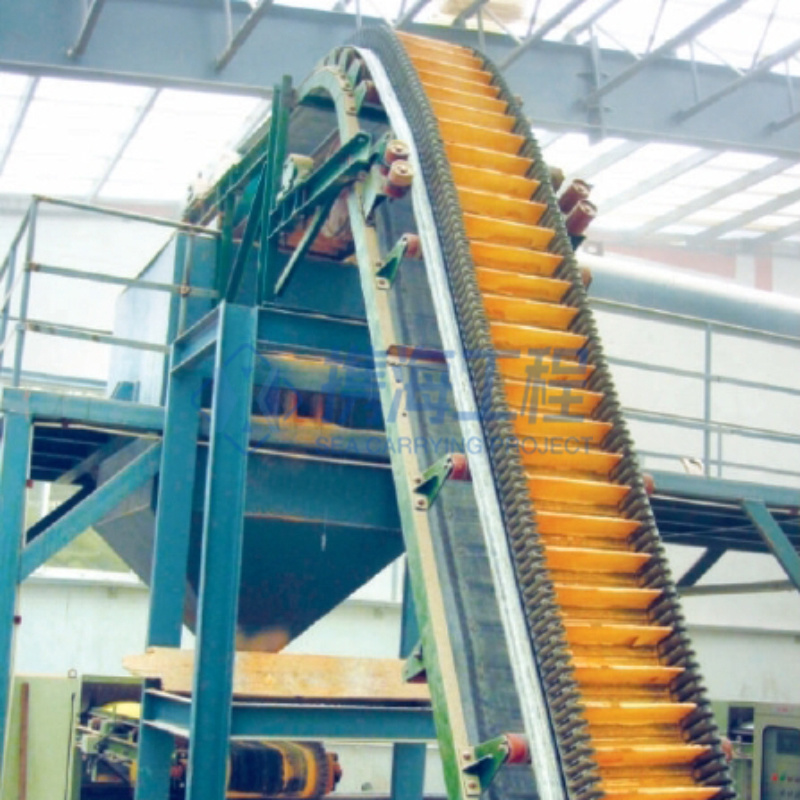
Conveying equipment is a critical component in various industries, designed to transport materials efficiently through different stages of production and distribution. The importance of such systems cannot be overstated, as they streamline operations, reduce manual handling, and increase productivity.
At its core, conveying equipment encompasses a wide range of tools and systems engineered to move goods from one location to another. This includes belt conveyors, roller conveyors, chain conveyors, and many other variations tailored to specific needs. Each type of conveyor system is designed to handle particular types of materials or products, making the choice of equipment essential for optimizing workflow.
Belt conveyors, for instance, are among the most common types of conveying equipment. They consist of a continuous loop of material, typically a rubber or plastic belt, that moves items along a defined path. These systems are particularly effective for transporting bulk materials such as grains, ores, and packaged goods over moderate distances. Their adaptability allows for incline or decline movement, further enhancing their utility in industrial settings.
Roller conveyors, on the other hand, utilize a series of rollers mounted on a frame to facilitate the movement of items. This type of conveying equipment is particularly useful for handling heavier materials and can be operated manually or powered, depending on the specific application. The design of roller conveyors allows for smooth transitions between different sections of a production line, contributing to overall efficiency.
Chain conveyors are specifically designed for transporting heavy loads over long distances. They use a series of linked chains to move items along a track, making them ideal for heavy-duty applications like automobile assembly lines or manufacturing processes involving bulky components. The robust construction of chain conveyors ensures reliability and durability in demanding environments.
The integration of conveying equipment within industrial operations brings numerous benefits. First and foremost, it enhances productivity by minimizing the time and labor required to transport materials. With automated systems in place, businesses can allocate their workforce to more critical tasks, thereby increasing operational efficiency. Furthermore, using conveying equipment minimizes the risk of damage to products during handling, as the systems are designed to provide controlled and gentle transportation.
In summary, understanding conveying equipment and its various forms is essential for businesses looking to optimize their manufacturing and logistics processes. By selecting the right type of conveying system, companies can enhance productivity, ensure safety, and achieve higher levels of operational efficiency. As industries continue to evolve, the importance of sophisticated conveying equipment will only grow, paving the way for more streamlined and effective workflows.
At its core, conveying equipment encompasses a wide range of tools and systems engineered to move goods from one location to another. This includes belt conveyors, roller conveyors, chain conveyors, and many other variations tailored to specific needs. Each type of conveyor system is designed to handle particular types of materials or products, making the choice of equipment essential for optimizing workflow.
Belt conveyors, for instance, are among the most common types of conveying equipment. They consist of a continuous loop of material, typically a rubber or plastic belt, that moves items along a defined path. These systems are particularly effective for transporting bulk materials such as grains, ores, and packaged goods over moderate distances. Their adaptability allows for incline or decline movement, further enhancing their utility in industrial settings.
Roller conveyors, on the other hand, utilize a series of rollers mounted on a frame to facilitate the movement of items. This type of conveying equipment is particularly useful for handling heavier materials and can be operated manually or powered, depending on the specific application. The design of roller conveyors allows for smooth transitions between different sections of a production line, contributing to overall efficiency.
Chain conveyors are specifically designed for transporting heavy loads over long distances. They use a series of linked chains to move items along a track, making them ideal for heavy-duty applications like automobile assembly lines or manufacturing processes involving bulky components. The robust construction of chain conveyors ensures reliability and durability in demanding environments.
The integration of conveying equipment within industrial operations brings numerous benefits. First and foremost, it enhances productivity by minimizing the time and labor required to transport materials. With automated systems in place, businesses can allocate their workforce to more critical tasks, thereby increasing operational efficiency. Furthermore, using conveying equipment minimizes the risk of damage to products during handling, as the systems are designed to provide controlled and gentle transportation.
In summary, understanding conveying equipment and its various forms is essential for businesses looking to optimize their manufacturing and logistics processes. By selecting the right type of conveying system, companies can enhance productivity, ensure safety, and achieve higher levels of operational efficiency. As industries continue to evolve, the importance of sophisticated conveying equipment will only grow, paving the way for more streamlined and effective workflows.
Previous article




Telephone
Company Address
Weier Business 801, No. 92 Huai'an East Road, Yuhua District, Shijiazhuang City, Hebei Province