Expert of Systematic Overall Solution for Calcium Material Resource Utilization

Industry Insights: The Growing Demand for Humidifying Stirring Equipment
Jun 27,2026
Industry Insights: The Growing Demand for Humidifying Stirring Equipment
Table of Contents
Introduction
Understanding Humidifying Stirring Equipment
Market Demand Drivers for Humidifying Stirring Equipment
Benefits of Humidifying Stirring Equipment
Technological Advancements in Humidifying Equipment
Application Areas of Humidifying Stirring Equipment
Industry Insights: The Growing Demand for Humidifying Stirring Equipment
Table of Contents
- Introduction
- Understanding Humidifying Stirring Equipment
- Market Demand Drivers for Humidifying Stirring Equipment
- Benefits of Humidifying Stirring Equipment
- Technological Advancements in Humidifying Equipment
- Application Areas of Humidifying Stirring Equipment
- Future Growth Prospects
- Frequently Asked Questions
- Conclusion
Introduction
The manufacturing sector is undergoing a transformative phase, with innovations driving efficiency and product quality to new heights. One of the most notable advancements is the growing demand for **humidifying stirring equipment**. This type of equipment is not only critical for maintaining consistency in product quality but also for optimizing operational processes across various industries, such as food processing, chemical manufacturing, and pharmaceuticals. In this article, we will explore the **significance** of humidifying stirring equipment, the factors **fueling its demand**, and the implications for the future of manufacturing.
Understanding Humidifying Stirring Equipment
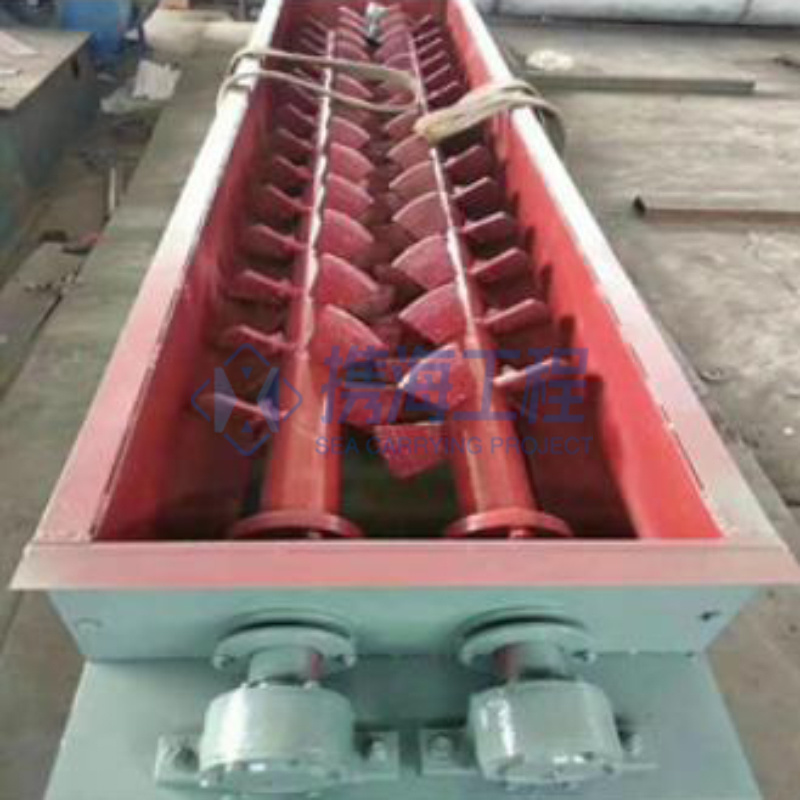
Humidifying stirring equipment refers to systems designed to maintain a specific moisture level in mixtures while promoting adequate blending. This machinery often combines stirring and humidifying functions, allowing manufacturers to create uniform products without compromising their quality.
The technology behind humidifying stirring equipment has evolved significantly, offering features such as **automated controls**, real-time monitoring, and enhanced energy efficiency. These innovations have made such equipment indispensable in industries where moisture content is crucial, significantly impacting product stability and shelf life.
Types of Humidifying Stirring Equipment
There are several types of humidifying stirring equipment available, each serving different purposes:
1. **Batch Mixers**: Suitable for large-scale production, these mixers allow for precise control over humidity and temperature during the mixing process.
2. **Continuous Mixers**: Ideal for processes that require ongoing mixing, these systems ensure a constant flow of materials while maintaining humidity levels.
3. **Inline Mixers**: These mixers integrate seamlessly with existing production lines, providing real-time humidification during the mixing process.
Market Demand Drivers for Humidifying Stirring Equipment
Several factors are driving the rising demand for humidifying stirring equipment:
1. Increasing Need for Product Quality
Manufacturers are under pressure to deliver high-quality products consistently. Humidifying stirring equipment ensures that moisture levels remain optimal, leading to improved product quality and customer satisfaction.
2. Growing Awareness of Health and Safety Standards
As regulatory bodies impose stricter health and safety standards, industries must adapt their processes. Humidifying stirring equipment contributes to meeting these standards by preventing the formation of harmful contaminants in products.
3. Technological Advancements
Continuous innovation in mixing technologies has enhanced the capabilities of humidifying stirring equipment. Features like automation and data analytics allow for better control over processes and improved operational efficiency.
4. Expansion of the Food and Beverage Sector
The growing food and beverage industry is a significant driver for humidifying stirring equipment. Food manufacturers increasingly recognize the importance of maintaining moisture levels to enhance flavor and texture.
Benefits of Humidifying Stirring Equipment
Humidifying stirring equipment offers various benefits that further justify its adoption across industries:
1. Improved Consistency
By maintaining appropriate moisture levels, this equipment ensures that products are mixed evenly, leading to consistent quality in every batch.
2. Enhanced Product Shelf Life
Moisture control is vital in extending the shelf life of perishable products. Humidifying stirring equipment helps mitigate spoilage, reducing waste and improving profitability for manufacturers.
3. Energy Efficiency
Modern humidifying stirring systems are designed with energy efficiency in mind, consuming less energy while providing effective mixing and humidification. This leads to lower operational costs and a reduced carbon footprint.
4. Versatility
Such equipment is suitable for various applications, including powders, granules, and liquid mixtures, making it a versatile choice for many industries.
Technological Advancements in Humidifying Equipment
The landscape of humidifying stirring equipment is evolving, driven by advancements in technology. Notable innovations include:
1. Smart Sensors and Automation
Integration of smart sensors allows for real-time monitoring of moisture levels, enhancing precision in mixing processes. Automation reduces the need for manual intervention, increasing productivity.
2. IoT Integration
The Internet of Things (IoT) has introduced connectivity features to humidifying stirring systems. Manufacturers can remotely monitor and control equipment, allowing for proactive maintenance and quick adjustments.
3. Advanced Materials
New materials are being developed to improve the durability and efficiency of humidifying stirring equipment, ensuring longer lifespans and reduced maintenance costs.
Application Areas of Humidifying Stirring Equipment
Humidifying stirring equipment finds applications across various sectors:
1. Food and Beverage Industry
In food manufacturing, humidity control is essential for products such as snacks, baked goods, and sauces. This equipment ensures that the desired moisture levels are maintained for optimal quality.
2. Pharmaceutical Industry
The pharmaceutical sector requires stringent moisture control to maintain the efficacy of drugs. Humidifying stirring equipment plays a crucial role in ensuring consistency and quality in pharmaceutical formulations.
3. Chemical Manufacturing
Chemicals often require specific moisture levels to ensure safe handling and optimal performance. Humidifying stirring equipment provides the necessary control for mixing chemical compounds.
Future Growth Prospects
The outlook for humidifying stirring equipment is promising, with continued growth expected. Several factors will contribute to this expansion:
1. Rising Global Population
As the global population increases, so does the demand for food and consumer products. This will drive the need for efficient and reliable mixing solutions.
2. Sustainability Initiatives
Manufacturers are increasingly focusing on sustainability. Humidifying stirring equipment's energy efficiency and reduced waste align with these initiatives, making it a favorable option.
3. Emerging Markets
Emerging economies are witnessing rapid industrialization, leading to increased investments in manufacturing technologies, including humidifying stirring equipment.
Frequently Asked Questions
1. What is the purpose of humidifying stirring equipment?
Humidifying stirring equipment maintains optimal moisture levels while blending materials to ensure product consistency and quality.
2. How does humidifying stirring equipment enhance product quality?
By controlling humidity, this equipment prevents spoilage and maintains the desired texture and flavor in products.
3. In which industries is humidifying stirring equipment commonly used?
It is widely used in the food and beverage, pharmaceutical, and chemical manufacturing industries.
4. What are the key technological advancements in humidifying stirring equipment?
Notable advancements include smart sensors, automation, IoT integration, and the use of advanced materials for improved durability.
5. How can humidifying stirring equipment contribute to sustainability efforts?
This equipment enhances energy efficiency and reduces waste, supporting manufacturers' sustainability goals.
Conclusion
The demand for humidifying stirring equipment is on the rise, driven by the necessity for consistent product quality, regulatory compliance, and technological advancements. As industries continue to evolve, the adoption of such equipment will likely become a standard practice, paving the way for enhanced operational efficiency and product excellence. Investing in humidifying stirring equipment is not just about keeping up with trends; it is a strategic move toward achieving long-term success in the manufacturing sector. As we move forward, staying informed about these developments will be crucial for industry stakeholders looking to remain competitive in a rapidly changing landscape.




Telephone
Company Address
Weier Business 801, No. 92 Huai'an East Road, Yuhua District, Shijiazhuang City, Hebei Province