Expert of Systematic Overall Solution for Calcium Material Resource Utilization

Optimizing Your Operations with Advanced Conveying Equipment
Jul 18,2026
Conveying equipment plays a pivotal role in the modern industrial landscape, facilitating the movement of materials and products across various stages of manufacturing and distribution. This equipment encompasses a wide range of systems, including belt conveyors, roller conveyors, chain conveyors, and screw conveyors, each designed to meet specific operational needs.
One of the primary advantages
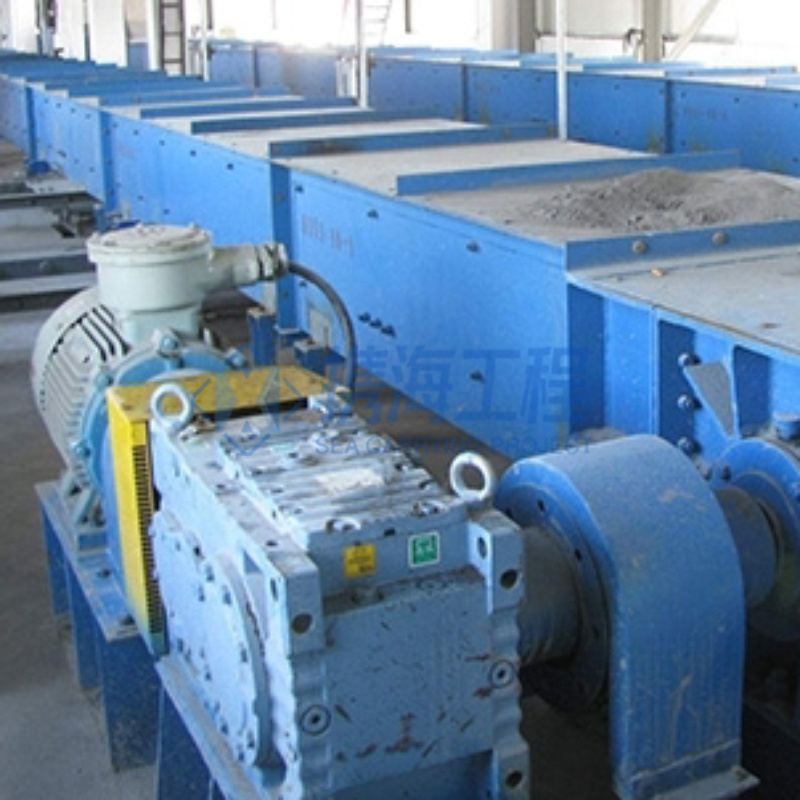
Conveying equipment plays a pivotal role in the modern industrial landscape, facilitating the movement of materials and products across various stages of manufacturing and distribution. This equipment encompasses a wide range of systems, including belt conveyors, roller conveyors, chain conveyors, and screw conveyors, each designed to meet specific operational needs.
One of the primary advantages of utilizing conveying equipment is its ability to significantly increase efficiency. For instance, belt conveyors offer smooth transportation of goods over long distances and are ideal for bulk material handling. They are versatile and can be customized with different belt materials to accommodate various types of products, from lightweight boxes to heavy pallets.
Roller conveyors are another popular choice, particularly in assembly lines and warehouses. They operate on a gravity-fed system that allows items to move easily from one point to another, making them perfect for sorting and accumulating products. The adaptability of roller conveyors to different product sizes and weights makes them an excellent solution for diverse applications.
Chain conveyors, on the other hand, are specifically designed for heavy-duty operations, where the transport of large and heavy materials is required. They utilize a series of interlinked chains to move items, providing a robust and reliable method of conveying. This type of equipment is particularly beneficial in industries such as automotive and manufacturing, where the need for durability and strength is paramount.
Screw conveyors are also noteworthy for their capability to transport bulk materials vertically and horizontally. They use a rotating helical screw blade to move the material, making them an effective solution for handling granular or powdery substances. This versatility makes screw conveyors a staple in industries such as agriculture, food processing, and chemical manufacturing.
When selecting conveying equipment, it's crucial to consider factors such as the material type, flow rate, and operational environment. Proper alignment and maintenance are also essential to ensure optimal performance and longevity of the equipment.
In conclusion, investing in the right conveying equipment is vital for any industrial operation aiming to enhance productivity and efficiency. By understanding the various types of conveying systems available and their specific applications, professionals can make informed decisions that align with their operational goals and requirements. Leveraging advanced conveying equipment can lead to significant improvements in workflow, ultimately driving success in the competitive industrial sector.
One of the primary advantages of utilizing conveying equipment is its ability to significantly increase efficiency. For instance, belt conveyors offer smooth transportation of goods over long distances and are ideal for bulk material handling. They are versatile and can be customized with different belt materials to accommodate various types of products, from lightweight boxes to heavy pallets.
Roller conveyors are another popular choice, particularly in assembly lines and warehouses. They operate on a gravity-fed system that allows items to move easily from one point to another, making them perfect for sorting and accumulating products. The adaptability of roller conveyors to different product sizes and weights makes them an excellent solution for diverse applications.
Chain conveyors, on the other hand, are specifically designed for heavy-duty operations, where the transport of large and heavy materials is required. They utilize a series of interlinked chains to move items, providing a robust and reliable method of conveying. This type of equipment is particularly beneficial in industries such as automotive and manufacturing, where the need for durability and strength is paramount.
Screw conveyors are also noteworthy for their capability to transport bulk materials vertically and horizontally. They use a rotating helical screw blade to move the material, making them an effective solution for handling granular or powdery substances. This versatility makes screw conveyors a staple in industries such as agriculture, food processing, and chemical manufacturing.
When selecting conveying equipment, it's crucial to consider factors such as the material type, flow rate, and operational environment. Proper alignment and maintenance are also essential to ensure optimal performance and longevity of the equipment.
In conclusion, investing in the right conveying equipment is vital for any industrial operation aiming to enhance productivity and efficiency. By understanding the various types of conveying systems available and their specific applications, professionals can make informed decisions that align with their operational goals and requirements. Leveraging advanced conveying equipment can lead to significant improvements in workflow, ultimately driving success in the competitive industrial sector.





Telephone
Company Address
Weier Business 801, No. 92 Huai'an East Road, Yuhua District, Shijiazhuang City, Hebei Province