Expert of Systematic Overall Solution for Calcium Material Resource Utilization

The Best High Efficiency Furnace Filters for Your Industry: A Comprehensive Guide
Jul 25,2026
The Best High Efficiency Furnace Filters for Your Industry
Table of Contents
1. Introduction to High Efficiency Furnace Filters
2. Benefits of High Efficiency Furnace Filters
3. Types of High Efficiency Furnace Filters
4. Understanding MERV Ratings
5. Top High Efficiency Furnace Filters for Industrial Use
6. Maintenance Tips for Furnace Filters
7. When to Replace Y
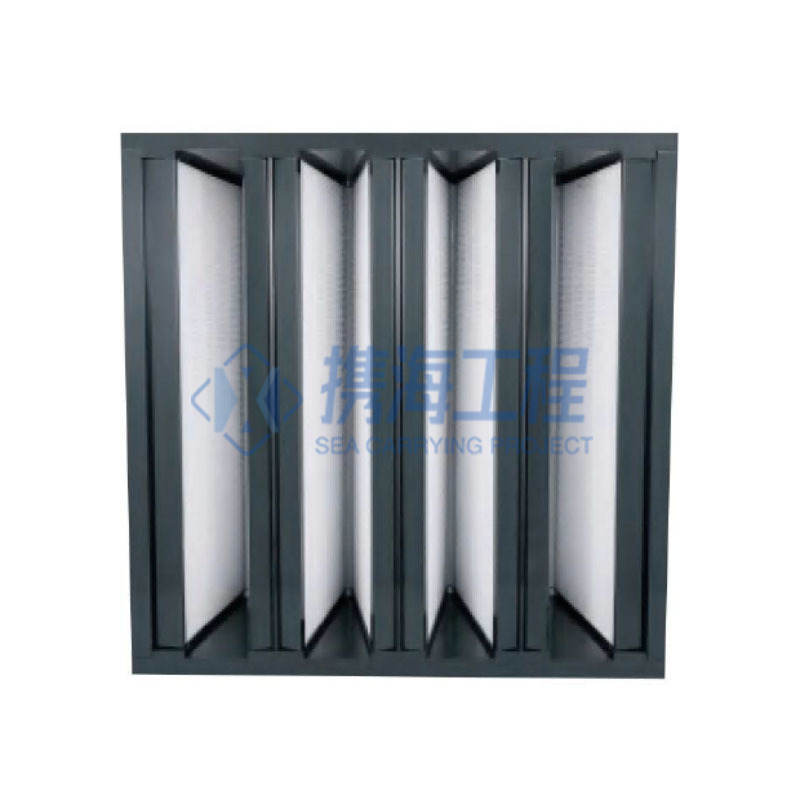
The Best High Efficiency Furnace Filters for Your Industry
Table of Contents
- 1. Introduction to High Efficiency Furnace Filters
- 2. Benefits of High Efficiency Furnace Filters
- 3. Types of High Efficiency Furnace Filters
- 4. Understanding MERV Ratings
- 5. Top High Efficiency Furnace Filters for Industrial Use
- 6. Maintenance Tips for Furnace Filters
- 7. When to Replace Your Furnace Filters
- 8. Frequently Asked Questions
- 9. Conclusion
1. Introduction to High Efficiency Furnace Filters
In the industrial sector, maintaining air quality is vital for both employee health and equipment efficiency. High efficiency furnace filters are designed to trap a significant amount of airborne particles, including dust, pollen, and other allergens. These filters not only improve air quality but also enhance the performance of HVAC systems, leading to energy savings and prolonged equipment lifespan.
As industries evolve, the importance of selecting the right furnace filter becomes increasingly clear. This guide aims to provide you with comprehensive insights into the best high efficiency furnace filters available in the market, helping your facility achieve optimal performance and air quality.
2. Benefits of High Efficiency Furnace Filters
The adoption of high efficiency furnace filters offers numerous advantages for industrial environments. Here are some key benefits:
Enhanced Air Quality
High efficiency filters can capture particles as small as 0.3 microns, significantly reducing airborne contaminants. This is essential for industries where clean air is paramount, such as pharmaceuticals, food processing, and electronics manufacturing.
Energy Efficiency
Using high efficiency filters can lead to increased energy efficiency. By ensuring that your HVAC system operates smoothly without overworking, you can reduce energy consumption and lower utility costs.
Extended Equipment Life
By preventing dust and debris from accumulating within HVAC systems, high efficiency filters help to extend the life of your equipment. This leads to fewer breakdowns and maintenance needs, ultimately saving costs in the long run.
Improved Productivity
Cleaner air translates to a healthier work environment, which can enhance worker productivity and morale. Employees are likely to perform better in spaces with better air quality, reducing sick days and improving overall efficiency.
3. Types of High Efficiency Furnace Filters
There are several types of high efficiency furnace filters to consider for your industrial needs. Understanding the differences can help you make an informed choice.
HEPA Filters
High Efficiency Particulate Air (HEPA) filters are designed to capture a minimum of 99.97% of particles that are 0.3 microns or larger. These filters are ideal for industries where air purity is critical.
Electrostatic Filters
These filters use static electricity to attract and capture particles. They are washable, making them a sustainable option for companies looking to reduce waste.
Washable Filters
Washable filters are designed for long-term use and can be cleaned and reused multiple times. This option is economical and environmentally friendly.
Disposable Filters
Although disposable filters are convenient, they may not always provide the same level of efficiency. However, they are easier to replace and can often be used in less demanding environments.
4. Understanding MERV Ratings
MERV (Minimum Efficiency Reporting Value) ratings measure the effectiveness of filters in trapping particles. The higher the MERV rating, the more efficient the filter is. Here’s a quick breakdown:
MERV 1-4
These filters capture large particles but are not suitable for high efficiency demands.
MERV 5-8
Filters in this range can capture small particles such as dust and mold spores, making them a moderate choice for many industrial applications.
MERV 9-12
These filters are more efficient, capturing pet dander and finer dust particles.
MERV 13-16
Filters in this category are considered high efficiency and can capture bacteria and smoke particles, ideal for sensitive environments.
MERV 17-20
This range includes HEPA filters, capturing nearly all airborne particles. These are best for industries that require the highest level of air purity.
5. Top High Efficiency Furnace Filters for Industrial Use
Selecting the right filter can be daunting due to the variety available. Here’s a list of the **top high efficiency furnace filters** that stand out in terms of performance and reliability:
1. 3M Filtrete MPR 1500
This filter boasts a MERV rating of 12 and is designed to capture allergens, dust, and lint effectively. It also features a low airflow resistance, aiding in energy efficiency.
2. Honeywell Ultra Efficiency Pleated Air Filter
With a MERV rating of 13, this filter is known for its ability to capture both large and small particles, making it a top choice for industrial applications.
3. Nordic Pure MERV 12 Pleated AC Furnace Filter
This electrostatic filter captures a significant amount of airborne particles while being washable, providing a sustainable choice for industries.
4. Filtrete Healthy Living Filter
Designed for ultimate air quality, this filter captures allergens and pollutants, with a MERV rating of 13, suitable for sensitive environments.
5. Lennox X6673 MERV 16 Filter
This filter is designed for high efficiency, capturing fine particles and even some viruses, making it an excellent option for environments that prioritize health and safety.
6. Maintenance Tips for Furnace Filters
To ensure your high efficiency furnace filters perform optimally, regular maintenance is essential. Here are some tips:
Regular Checking
Check your filters monthly to ensure they are clean and effective. Clogged filters can reduce airflow and efficiency.
Cleaning Washable Filters
If you are using washable filters, clean them according to the manufacturer’s instructions. Typically, rinsing with water and allowing them to dry completely will suffice.
Replacing Disposable Filters
For disposable filters, follow the manufacturer’s recommendations for replacement frequency, generally every 1-3 months.
Monitor Air Quality
Keep an eye on indoor air quality. If you notice a drop, it may be time to check and possibly replace your filters even before scheduled maintenance.
7. When to Replace Your Furnace Filters
Knowing when to replace your furnace filters is crucial for maintaining efficiency. Here are signs that indicate it's time for a replacement:
Visible Dirt and Dust Accumulation
If your filter appears visibly dirty or clogged, it is time to replace it, regardless of the recommended schedule.
Increased Energy Bills
A sudden spike in energy bills can be a sign that your HVAC system is working harder due to a clogged filter.
Poor Air Quality
If you notice an increase in dust around your facility or experience respiratory issues, it may be time to check your filters.
Longer Heating or Cooling Times
If your system takes longer to heat or cool your space, it may indicate that the filters are obstructing airflow.
8. Frequently Asked Questions
What is the difference between MERV and HEPA filters?
MERV ratings indicate the effectiveness of filters in capturing particles, while HEPA filters are specifically designed to meet strict standards for capturing 99.97% of particles as small as 0.3 microns.
How often should industrial furnace filters be replaced?
Generally, filters should be checked monthly and replaced every 1-3 months, but this can vary based on usage and air quality conditions.
Can high efficiency filters reduce energy costs?
Yes, high efficiency filters can reduce energy costs by improving airflow and reducing strain on HVAC systems, leading to lower energy consumption.
Are washable filters a good option for industrial settings?
Yes, washable filters can be an economical choice in industrial settings, provided they are maintained correctly.
What should I consider when choosing a furnace filter for my facility?
Consider the MERV rating, the type of air contaminants present, the filter's lifespan, and maintenance requirements when selecting a furnace filter.
9. Conclusion
Selecting the best high efficiency furnace filters for your industry is essential for maintaining air quality, ensuring energy efficiency, and extending the lifespan of your HVAC systems. By understanding the benefits, types, and maintenance needs of these filters, you can make informed decisions that positively impact your facility. As you explore the options available, consider factors such as MERV ratings and the specific air quality needs of your environment. Investing in high quality filters will lead to a cleaner, healthier workplace, ultimately benefiting your employees and your bottom line.
Previous article




Telephone
Company Address
Weier Business 801, No. 92 Huai'an East Road, Yuhua District, Shijiazhuang City, Hebei Province