Expert of Systematic Overall Solution for Calcium Material Resource Utilization

Are High Efficiency Furnace Filters Worth the Investment? A Comprehensive Guide
Dec 27,2025
Are High Efficiency Furnace Filters Worth the Investment?
Table of Contents
1. Introduction to High Efficiency Furnace Filters
2. Understanding Filtration Ratings
2.1 The MERV Rating Explained
2.2 Why MERV Ratings Matter for Your Health
3. Benefits of High Efficiency Furnace Filters
3.1 Enhanced Air Quality
3.2 Improved HVAC System Efficiency
4. Types of High Efficiency Furnace Filters
4.1 HEPA Fi
Are High Efficiency Furnace Filters Worth the Investment?
Table of Contents
1. Introduction to High Efficiency Furnace Filters
2. Understanding Filtration Ratings
2.1 The MERV Rating Explained
2.2 Why MERV Ratings Matter for Your Health
3. Benefits of High Efficiency Furnace Filters
3.1 Enhanced Air Quality
3.2 Improved HVAC System Efficiency
4. Types of High Efficiency Furnace Filters
4.1 HEPA Filters
4.2 Electrostatic Filters
5. Cost Analysis of High Efficiency Furnace Filters
5.1 Initial Investment vs. Long-term Savings
5.2 Maintenance Costs Involved
6. Installation and Replacement Considerations
7. Common Myths About High Efficiency Filters
8. Frequently Asked Questions (FAQs)
9. Conclusion
1. Introduction to High Efficiency Furnace Filters
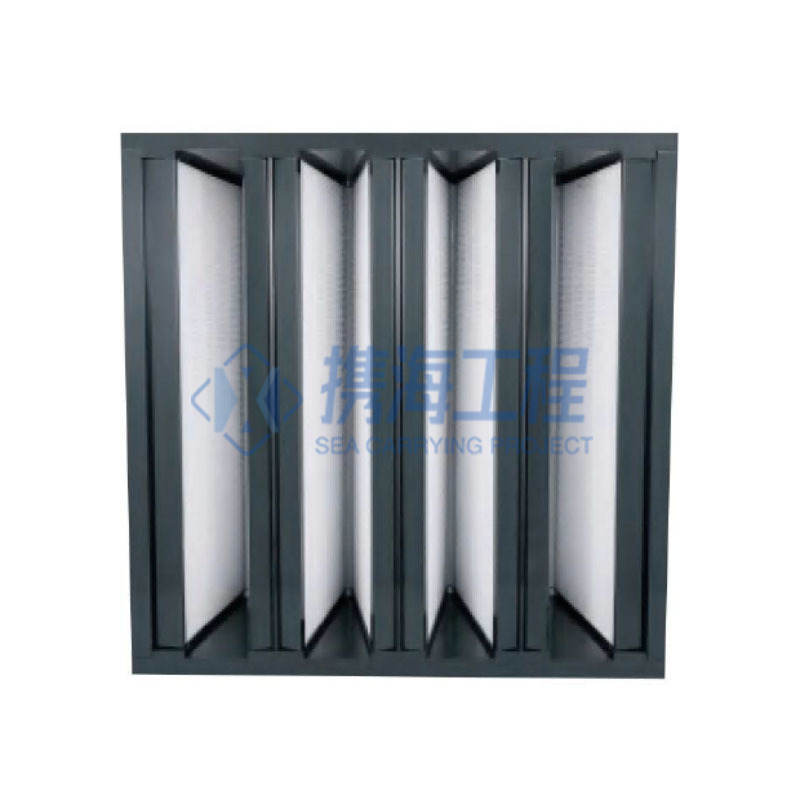
High efficiency furnace filters are increasingly becoming a focal point for homeowners and businesses alike. These filters are designed to capture a wider range of airborne particles than standard filters, significantly improving indoor air quality. With rising concerns about health, allergies, and respiratory issues, understanding the worth of investing in high-efficiency furnace filters has never been more critical.
This comprehensive guide will explore whether these filters provide substantial benefits that justify their often higher price tag.
2. Understanding Filtration Ratings
To appreciate the value of high efficiency furnace filters, we must first understand filtration ratings, specifically the Minimum Efficiency Reporting Value (MERV).
2.1 The MERV Rating Explained
MERV ratings range from 1 to 16, with higher ratings indicating a filter's ability to capture smaller particles. For context, a MERV rating of 1 represents basic filters that can trap larger particles like dust, while a MERV rating of 16 captures fine particles such as smoke and pet dander.
2.2 Why MERV Ratings Matter for Your Health
Choosing a filter with a higher MERV rating can significantly impact your health, especially if you or your family members suffer from allergies or asthma. Higher-rated filters minimize the amount of allergens and pollutants entering your living space, making the environment healthier and more comfortable.
3. Benefits of High Efficiency Furnace Filters
Investing in high efficiency furnace filters offers multiple advantages that extend beyond mere air filtration.
3.1 Enhanced Air Quality
**One of the most significant benefits** is the enhancement of indoor air quality. High efficiency filters are adept at removing dust, pollen, mold spores, and pet dander, which can contribute to respiratory problems. Cleaner air not only promotes better health but can also contribute to improved sleep quality.
3.2 Improved HVAC System Efficiency
An often-overlooked benefit is the impact on your HVAC system’s efficiency. High efficiency filters require less energy to operate. When your HVAC system doesn’t have to work as hard to pull air through the filter, it can lead to lower energy bills and an extended lifespan for the unit.
4. Types of High Efficiency Furnace Filters
Understanding the different types of high-efficiency filters can help you make an informed decision.
4.1 HEPA Filters
High-Efficiency Particulate Air (HEPA) filters are renowned for their superior filtration capabilities. They are capable of capturing at least 99.97% of particles that are 0.3 microns in size, making them ideal for individuals with severe allergies or respiratory issues.
4.2 Electrostatic Filters
Electrostatic filters use static electricity to attract particles. They are washable and reusable, making them a cost-effective option over time. These filters are excellent for capturing smoke and other fine particulates.
5. Cost Analysis of High Efficiency Furnace Filters
Understanding the financial implications of high efficiency furnace filters is crucial.
5.1 Initial Investment vs. Long-term Savings
While the initial cost of high efficiency filters can be higher, they often save money in the long run through reduced energy bills and fewer HVAC repairs. Additionally, many high-efficiency filters have a longer lifespan than standard filters, which can lead to further savings.
5.2 Maintenance Costs Involved
Though high efficiency filters may require less frequent replacement, they can still incur maintenance costs. It's essential to consider the total cost of ownership, including potential cleaning or professional servicing, to fully understand the investment's value.
6. Installation and Replacement Considerations
Installing a high efficiency furnace filter is typically straightforward. However, ensure that you choose the correct size for your HVAC system to maximize efficiency. Regular replacement of filters is crucial; most need changing every 3 to 6 months, depending on usage and environment.
7. Common Myths About High Efficiency Filters
Several myths surround high efficiency furnace filters, leading to confusion.
- **Myth 1: They Restrict Airflow** - Many believe that higher efficiency filters hinder airflow, but this isn't necessarily true. Properly rated filters allow ample airflow while maintaining high filtration levels.
- **Myth 2: They Are Too Expensive** - While the upfront cost is more, the long-term savings can outweigh the initial expense.
8. Frequently Asked Questions (FAQs)
**Q1: How often should I change my high efficiency furnace filter?**
A: Typically, every 3 to 6 months, but check your specific filter's recommendations.
**Q2: Can I wash my high efficiency filter?**
A: It depends on the type. Some electrostatic filters are washable, while most HEPA filters are not.
**Q3: What MERV rating should I look for?**
A: A MERV rating of 11 to 13 is generally suitable for most homes, providing a balance of filtration and airflow.
**Q4: Are high efficiency filters compatible with all HVAC systems?**
A: Most systems can accommodate high efficiency filters, but always verify compatibility before purchase.
**Q5: Do high efficiency filters eliminate odors?**
A: While they significantly reduce airborne particles that can cause odors, specialized filters may be required for more effective odor removal.
9. Conclusion
In conclusion, investing in high efficiency furnace filters is often worth the expense for homeowners and businesses dedicated to improving indoor air quality and system efficiency. These filters provide significant health benefits by capturing airborne allergens and pollutants, thereby creating a healthier environment.
Moreover, while the upfront costs may seem high, the long-term savings on energy bills and system maintenance can justify the investment. By understanding the types of filters available, their benefits, and the costs associated, we can make informed decisions that contribute to better air quality and overall wellness.
Whether you opt for HEPA or electrostatic filters, the value of investing in high efficiency furnace filters cannot be overstated. Cleaner air and a more efficient HVAC system are always a worthy investment.





Telephone
Company Address
Weier Business 801, No. 92 Huai'an East Road, Yuhua District, Shijiazhuang City, Hebei Province