Expert of Systematic Overall Solution for Calcium Material Resource Utilization

Understanding Conveying Equipment: A Comprehensive Guide for Industrial Applications
Dec 20,2025
Conveying equipment plays a pivotal role in the realm of industrial machinery, facilitating the movement of materials and products seamlessly through various processes. Whether it’s transporting raw materials, intermediate products, or finished goods, conveying systems are integral to modern manufacturing and logistics operations.
At its core, conveying equipment encompasses a range of devices des
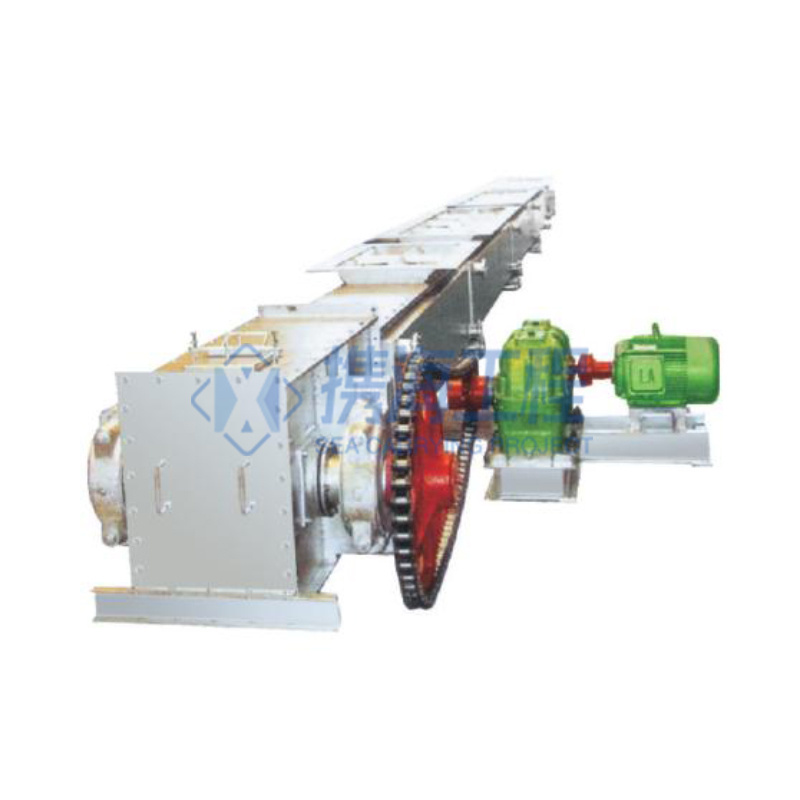
Conveying equipment plays a pivotal role in the realm of industrial machinery, facilitating the movement of materials and products seamlessly through various processes. Whether it’s transporting raw materials, intermediate products, or finished goods, conveying systems are integral to modern manufacturing and logistics operations.
At its core, conveying equipment encompasses a range of devices designed to move items from one location to another. The most common types include belt conveyors, roller conveyors, screw conveyors, and chain conveyors. Each type serves a specific purpose and is selected based on the material being transported, the distance it needs to cover, and the required speed of operation.
Belt conveyors are among the most widely used conveying equipment due to their versatility and efficiency. They consist of a continuous loop of material that carries items along a designated path. This type is particularly effective for transporting bulk materials, such as grains, coal, and aggregates, as well as packaged goods in warehouses.
Roller conveyors, on the other hand, utilize a series of rollers to move items. This design is ideal for handling heavier loads and is often employed in shipping and receiving applications. The ease of loading and unloading on roller conveyors makes them a popular choice for operations that require frequent handling.
Screw conveyors are designed for transporting bulk materials in a horizontal or inclined manner. They utilize a rotating helical screw blade that moves materials along a trough. This type of conveying equipment is particularly useful for moving powders, granules, and other bulk materials in industrial settings.
Chain conveyors offer a robust solution for transporting heavy items or pallets. These systems utilize chains to provide a stable and secure means of moving loads, making them suitable for assembly lines and manufacturing processes.
The benefits of incorporating conveying equipment into industrial operations are manifold. Primarily, they enhance productivity by reducing manual labor and minimizing the risk of product damage during transport. Additionally, these systems improve workflow efficiency by enabling a continuous flow of materials, which is vital in fast-paced environments.
Moreover, modern conveying equipment can be integrated with automation technologies, allowing for increased control and monitoring. This integration aids in optimizing performance, reducing downtime, and enhancing overall operational effectiveness.
In conclusion, understanding the various types and functions of conveying equipment is essential for making informed decisions in industrial settings. By selecting the appropriate system for specific applications, businesses can significantly improve their operational efficiency and productivity. Emphasizing the importance of these systems in the manufacturing and logistics sectors highlights their critical role in the success of industrial operations.
At its core, conveying equipment encompasses a range of devices designed to move items from one location to another. The most common types include belt conveyors, roller conveyors, screw conveyors, and chain conveyors. Each type serves a specific purpose and is selected based on the material being transported, the distance it needs to cover, and the required speed of operation.
Belt conveyors are among the most widely used conveying equipment due to their versatility and efficiency. They consist of a continuous loop of material that carries items along a designated path. This type is particularly effective for transporting bulk materials, such as grains, coal, and aggregates, as well as packaged goods in warehouses.
Roller conveyors, on the other hand, utilize a series of rollers to move items. This design is ideal for handling heavier loads and is often employed in shipping and receiving applications. The ease of loading and unloading on roller conveyors makes them a popular choice for operations that require frequent handling.
Screw conveyors are designed for transporting bulk materials in a horizontal or inclined manner. They utilize a rotating helical screw blade that moves materials along a trough. This type of conveying equipment is particularly useful for moving powders, granules, and other bulk materials in industrial settings.
Chain conveyors offer a robust solution for transporting heavy items or pallets. These systems utilize chains to provide a stable and secure means of moving loads, making them suitable for assembly lines and manufacturing processes.
The benefits of incorporating conveying equipment into industrial operations are manifold. Primarily, they enhance productivity by reducing manual labor and minimizing the risk of product damage during transport. Additionally, these systems improve workflow efficiency by enabling a continuous flow of materials, which is vital in fast-paced environments.
Moreover, modern conveying equipment can be integrated with automation technologies, allowing for increased control and monitoring. This integration aids in optimizing performance, reducing downtime, and enhancing overall operational effectiveness.
In conclusion, understanding the various types and functions of conveying equipment is essential for making informed decisions in industrial settings. By selecting the appropriate system for specific applications, businesses can significantly improve their operational efficiency and productivity. Emphasizing the importance of these systems in the manufacturing and logistics sectors highlights their critical role in the success of industrial operations.





Telephone
Company Address
Weier Business 801, No. 92 Huai'an East Road, Yuhua District, Shijiazhuang City, Hebei Province