Expert of Systematic Overall Solution for Calcium Material Resource Utilization

How Weather Conditions Affect the Performance of Drying Equipment: A Comprehensive Analysis
Dec 13,2025
How Weather Conditions Affect the Performance of Drying Equipment
Table of Contents
1. Introduction to Drying Equipment and Weather Conditions
2. Understanding the Drying Processes
3. The Impact of Temperature on Drying Equipment Performance
4. Humidity and Its Effect on Drying Efficiency
5. Atmospheric Pressure's Role in Drying Operations
6. Seasonal Variations in Drying
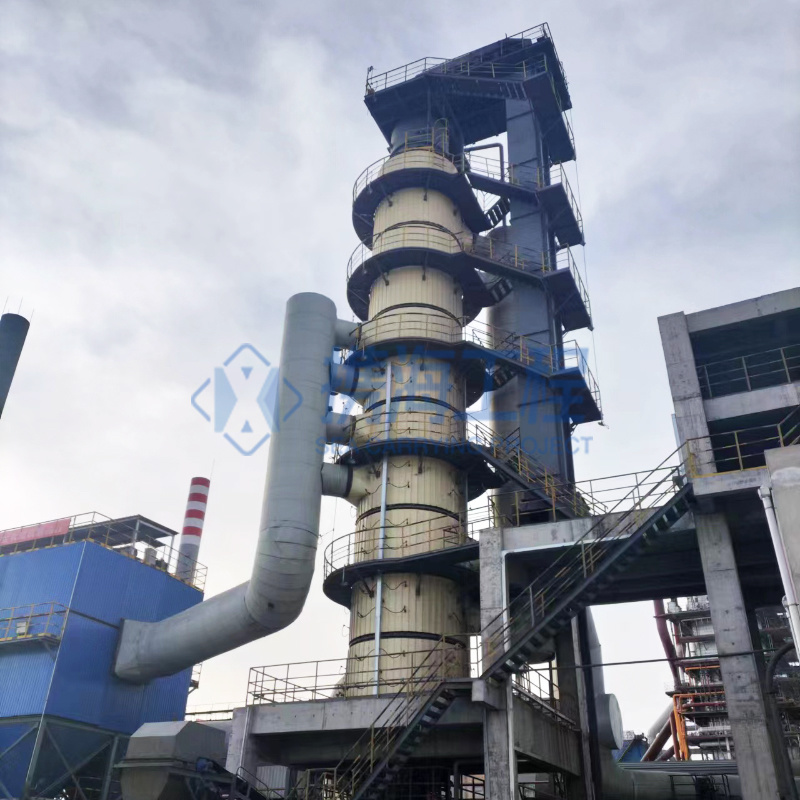
How Weather Conditions Affect the Performance of Drying Equipment
Table of Contents
- 1. Introduction to Drying Equipment and Weather Conditions
- 2. Understanding the Drying Processes
- 3. The Impact of Temperature on Drying Equipment Performance
- 4. Humidity and Its Effect on Drying Efficiency
- 5. Atmospheric Pressure's Role in Drying Operations
- 6. Seasonal Variations in Drying Performance
- 7. Strategies to Mitigate Weather Impacts on Drying Equipment
- 8. Frequently Asked Questions
- 9. Conclusion
1. Introduction to Drying Equipment and Weather Conditions
In industrial applications, **drying equipment** plays a crucial role in enhancing product quality and ensuring operational efficiency. However, the performance of these systems can be significantly influenced by various **weather conditions**. Understanding how elements such as temperature, humidity, and atmospheric pressure affect drying processes is essential for achieving optimal results. This article delves into these factors, offering insights and strategies for maximizing the effectiveness of drying equipment in changing weather scenarios.
2. Understanding the Drying Processes
Drying is a fundamental process used in numerous industries, including food production, pharmaceuticals, and textiles. The primary goal is to remove moisture from materials to prevent spoilage and enhance shelf life. Drying can be achieved through several methods, including:
- **Convection Drying**: Utilizing hot air to evaporate moisture.
- **Conduction Drying**: Transferring heat through direct contact.
- **Radiant Drying**: Employing infrared radiation to heat materials.
- **Vacuum Drying**: Reducing atmospheric pressure to lower boiling points.
Each method's efficiency may vary depending on the surrounding weather conditions, making it essential to adapt processes accordingly.
3. The Impact of Temperature on Drying Equipment Performance
Temperature plays a pivotal role in the drying process. Higher temperatures generally increase the evaporation rate, leading to faster drying times. However, there are nuances to consider:
3.1 High-Temperature Effects
While elevated temperatures can enhance performance, excessively high temperatures may lead to:
- **Material Degradation**: Certain materials can be compromised by excessive heat, resulting in quality loss.
- **Energy Consumption**: Increased energy costs associated with maintaining high temperatures can impact overall operational efficiency.
3.2 Low-Temperature Effects
Conversely, lower temperatures can slow down the drying process, leading to:
- **Extended Drying Times**: This can hinder production schedules.
- **Increased Risk of Contamination**: Longer drying periods can expose materials to potential contaminants.
4. Humidity and Its Effect on Drying Efficiency
Humidity levels in the environment are a critical factor influencing the performance of drying equipment.
4.1 High Humidity Conditions
When humidity levels are high, the air's capacity to absorb moisture is significantly reduced, which can lead to:
- **Slower Drying Rates**: The drying process becomes less efficient, prolonging production timelines.
- **Potential for Mold Growth**: High moisture levels can create an environment conducive to mold and bacteria infestation, compromising product quality.
4.2 Low Humidity Conditions
In contrast, low humidity can enhance drying efficiency but may also present challenges, such as:
- **Over-Drying**: Materials may dry too quickly, leading to brittleness or other quality issues.
- **Static Electricity**: Dry air can increase static electricity, affecting handling and packaging processes.
5. Atmospheric Pressure's Role in Drying Operations
Atmospheric pressure significantly impacts the boiling point of water, thereby influencing drying rates.
5.1 Effects of High Atmospheric Pressure
Under high pressure conditions, the boiling point of moisture increases, resulting in:
- **Slower Evaporation Rates**: This can lead to prolonged drying times and inefficiencies in operations.
5.2 Effects of Low Atmospheric Pressure
Low pressure environments can lower the boiling point, which might enhance drying efficiency but can present issues like:
- **Vacuum Conditions**: In certain operations, low pressure is beneficial, as in vacuum drying. However, it can create challenges in controlling the process and maintaining equipment.
6. Seasonal Variations in Drying Performance
Seasonal changes can bring about significant fluctuations in weather conditions, impacting drying equipment performance.
6.1 Winter Challenges
During winter months, cold temperatures and high humidity levels can slow down drying processes. Additionally, heating systems may need to work harder to maintain optimal drying temperatures, leading to increased energy costs.
6.2 Summer Advantages
Conversely, summer typically brings warmer and drier air, which can enhance drying efficiency. However, attention must be paid to potential overheating and energy management.
7. Strategies to Mitigate Weather Impacts on Drying Equipment
To maximize the performance of drying equipment regardless of weather conditions, we recommend implementing the following strategies:
7.1 Optimize Temperature Controls
Using advanced temperature control systems can help maintain ideal drying conditions, reducing the risks associated with extreme temperatures.
7.2 Monitor Humidity Levels
Investing in humidity sensors allows operators to adjust drying processes in real-time based on environmental changes, enhancing overall efficiency.
7.3 Regular Maintenance and Upgrades
Routine maintenance of drying equipment ensures optimal performance. Upgrading to energy-efficient models can also mitigate the effects of seasonal changes.
7.4 Implementing Adaptive Drying Techniques
Employing adaptive drying techniques can help adjust processes based on real-time data, ensuring consistent performance regardless of weather conditions.
8. Frequently Asked Questions
8.1 What is the optimal humidity level for drying processes?
The optimal humidity level varies by material but typically ranges from 30% to 50% for most industrial drying processes.
8.2 How can I tell if my drying equipment is underperforming?
Signs of underperformance include longer drying times, inconsistent product quality, and increased energy consumption.
8.3 What maintenance practices can improve drying equipment performance?
Regular cleaning, checking seals and gaskets, and calibrating sensors can greatly enhance equipment performance.
8.4 Can weather conditions affect the energy consumption of drying equipment?
Yes, fluctuating temperatures and humidity levels can lead to increased energy usage as equipment compensates for less-than-ideal conditions.
8.5 Are there specific drying methods that are more resilient to weather changes?
Vacuum drying and advanced thermal drying methods typically offer better resilience to weather variations due to their controlled environments.
9. Conclusion
Understanding how weather conditions impact the performance of drying equipment is crucial for optimizing industrial operations. By considering factors such as temperature, humidity, and atmospheric pressure, businesses can implement effective strategies to mitigate adverse effects and enhance drying efficiency. Investing in advanced technologies, regular maintenance, and adaptive processes will not only improve performance but also drive energy savings and product quality in the long run.
Previous article





Telephone
Company Address
Weier Business 801, No. 92 Huai'an East Road, Yuhua District, Shijiazhuang City, Hebei Province