Expert of Systematic Overall Solution for Calcium Material Resource Utilization

Dust Removal Equipment: Enhancing Air Quality and Workplace Safety
Feb 09,2026

Dust removal equipment has become an essential component in industrial, commercial, and residential environments, offering efficient solutions to control airborne particles and maintain clean air. With growing awareness of health, safety, and environmental standards, these systems play a critical role in reducing air pollution, protecting equipment, and improving overall productivity. Modern dust removal technologies have evolved significantly, providing a variety of solutions that cater to different industries and operational requirements.
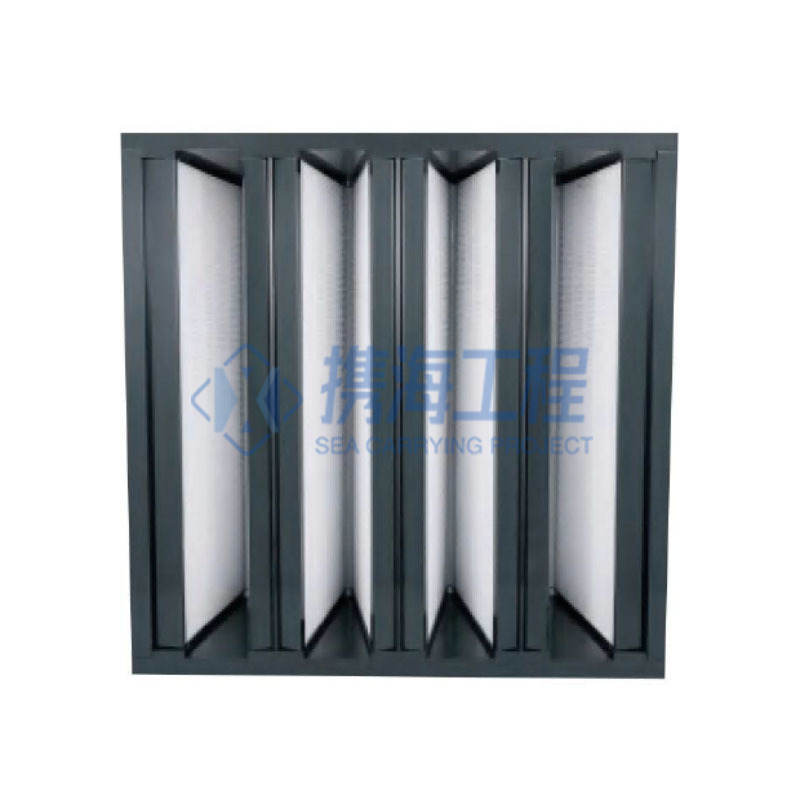
One of the primary benefits of dust removal equipment is its ability to capture fine particles that are often invisible to the naked eye. These particles, if left uncontrolled, can accumulate over time, causing damage to machinery, reducing equipment efficiency, and posing health risks to workers. Advanced filtration systems, such as baghouse filters, cartridge filters, and electrostatic precipitators, ensure that even the smallest dust particles are effectively trapped. Many systems also include pre-filters to capture larger debris, extending the life of primary filters and reducing maintenance requirements.
Safety is a major consideration in dust removal equipment design. Dust particles, especially in industries like woodworking, metal processing, and chemical production, can be highly combustible. High-quality dust removal systems are engineered to prevent dust buildup and reduce the risk of fires or explosions. Features such as spark detection, explosion-proof construction, and automatic cleaning cycles enhance operational safety while minimizing downtime. Furthermore, these systems are often designed to operate quietly, reducing noise pollution and creating a safer and more comfortable working environment.
Energy efficiency and operational cost are also key factors driving the adoption of modern dust removal equipment. Advanced systems use optimized airflow designs, variable speed fans, and energy-efficient motors to minimize electricity consumption while maintaining high filtration performance. Some units are integrated with smart monitoring and control systems, allowing operators to track air quality, filter conditions, and system performance in real-time. This not only improves energy efficiency but also ensures that maintenance schedules are followed accurately, extending the life of the equipment and reducing operational costs.
Dust removal equipment is versatile and adaptable to a wide range of applications. In manufacturing plants, they help control dust generated during cutting, grinding, or milling processes. In food and pharmaceutical industries, these systems prevent contamination of products by capturing fine powders and particulates. Construction sites, workshops, and laboratories also benefit from portable or stationary dust collectors, which provide localized or room-wide air purification. By improving air quality, these systems contribute to employee health, regulatory compliance, and overall operational efficiency.
Another notable advantage is the ability of modern dust removal systems to improve environmental sustainability. By capturing airborne particles before they are released into the atmosphere, these systems reduce air pollution and minimize the environmental footprint of industrial operations. Some systems also enable the collection and reuse of dust materials, promoting resource efficiency and supporting circular economy practices. Manufacturers are increasingly focusing on eco-friendly designs, such as low-energy fans, reusable filters, and compact, space-saving units, which help organizations meet environmental targets without compromising performance.
In conclusion, dust removal equipment is a vital investment for industries, commercial facilities, and other indoor environments where air quality and safety are priorities. With advanced filtration technologies, energy-efficient designs, and enhanced safety features, these systems provide effective dust control, protect equipment, and promote a healthier and more productive environment. Whether it is large-scale industrial applications or smaller commercial operations, modern dust removal equipment ensures cleaner air, reduced health risks, and sustainable operational practices.




Telephone
Company Address
Weier Business 801, No. 92 Huai'an East Road, Yuhua District, Shijiazhuang City, Hebei Province