Expert of Systematic Overall Solution for Calcium Material Resource Utilization

Your Complete Checklist for High Efficiency Furnace Filters
Feb 07,2026
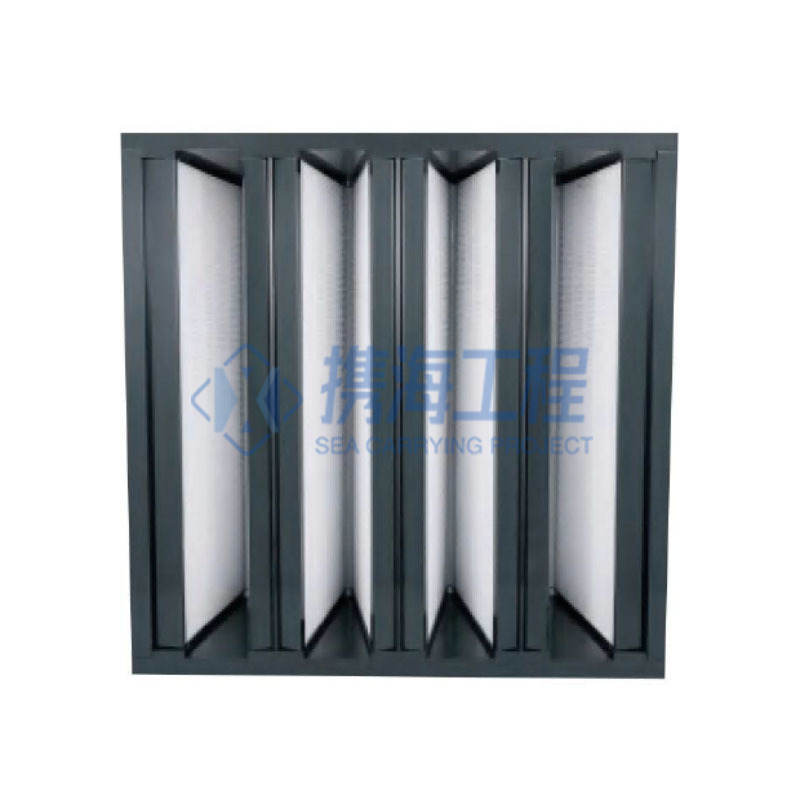
Your Complete Checklist for High Efficiency Furnace Filters
High efficiency furnace filters play a critical role in maintaining indoor air quality and ensuring that your HVAC system operates at peak efficiency. In this detailed guide, we will walk you through everything you need to know about these filters—from their importance to selection criteria, maintenance tips, and more. Whether you are a homeowner looking to improve your air quality or an HVAC professional aiming to enhance your service offerings, this comprehensive checklist serves to equip you with all the necessary information.
Table of Contents
- What Are High Efficiency Furnace Filters?
- Benefits of Using High Efficiency Filters
- Types of High Efficiency Furnace Filters
- How to Choose the Right High Efficiency Filter
- High Efficiency Filter Maintenance Tips
- Common Misconceptions About Furnace Filters
- Troubleshooting Filter Issues
- Frequently Asked Questions About Furnace Filters
What Are High Efficiency Furnace Filters?
High efficiency furnace filters are specially designed filtration systems that capture a higher percentage of airborne particles compared to standard filters. These filters typically have a Minimum Efficiency Reporting Value (MERV) rating ranging from 8 to 16. This higher rating indicates superior filtering capabilities, making them ideal for households with allergies, asthma, or respiratory concerns.
How They Work
High efficiency filters utilize advanced materials and design features to trap pollutants, dust, pollen, and even bacteria. Unlike standard filters, which may only capture larger particles, high efficiency filters create a dense surface that can capture microscopic particles, improving overall air quality.
Benefits of Using High Efficiency Filters
Switching to high efficiency furnace filters can yield numerous benefits for your home and health, including:
Enhanced Air Quality
High efficiency filters significantly reduce indoor air pollutants, leading to cleaner air. This is particularly beneficial for individuals suffering from allergies or respiratory conditions.
Energy Efficiency
By improving airflow and reducing strain on your HVAC system, these filters can help lower energy costs. A cleaner system operates more efficiently, leading to reduced energy consumption.
Extended HVAC Lifespan
Regularly replacing high efficiency filters can prolong the life of your heating system. By preventing dust and debris accumulation, these filters reduce wear and tear on system components.
Types of High Efficiency Furnace Filters
Various types of high efficiency furnace filters are available, each designed to meet specific needs and preferences:
HEPA Filters
High-Efficiency Particulate Air (HEPA) filters are highly effective in capturing 99.97% of particles as small as 0.3 microns. These filters are ideal for those with severe allergies or chronic respiratory issues.
Electrostatic Filters
Electrostatic filters utilize static electricity to attract and capture particles. They are washable and reusable, making them a cost-effective and environmentally friendly option.
Media Filters
Media filters are thicker than standard filters and have a larger surface area for trapping particles. They often have a MERV rating of 11 or higher, making them suitable for households needing enhanced filtration.
How to Choose the Right High Efficiency Filter
Selecting the right high efficiency filter involves several considerations:
Assess Your HVAC System
Before purchasing, check your HVAC system’s specifications for compatible filter sizes and types. Ensure that the filter you choose fits snugly to avoid air bypass.
Determine the MERV Rating
Choose a filter with a MERV rating that suits your air quality needs. A higher rating captures more particles but may restrict airflow if your HVAC system isn't designed for it.
Consider Maintenance Requirements
Some filters require more frequent replacements or cleaning than others. Evaluate your ability to maintain the filter when making your selection.
High Efficiency Filter Maintenance Tips
Regular Replacement
Replace filters every 1-3 months, depending on usage and filter type. Check manufacturer recommendations for specific guidelines.
Inspect Filters Monthly
Monthly inspections help identify when a filter needs replacement. Look for signs of dirt accumulation or damage.
Keep the Surrounding Area Clean
Ensure the area around your HVAC system is clean and free from dust and debris to minimize dirt entering the system.
Common Misconceptions About Furnace Filters
Several myths surround high efficiency furnace filters that can lead to confusion:
“Higher MERV Ratings Are Always Better”
While a higher MERV rating indicates better filtration, it may not be suitable for every system. Always check compatibility with your HVAC unit.
“Filters Don’t Affect Energy Efficiency”
Ignoring filter maintenance can lead to increased energy costs due to reduced efficiency. Regularly changing filters ensures optimal airflow and efficiency.
Troubleshooting Filter Issues
If you encounter problems with your high efficiency filters, consider the following troubleshooting steps:
Low Airflow
If you notice reduced airflow, this may indicate a clogged filter. Inspect and replace it if necessary to restore proper airflow.
Increased Energy Bills
Higher energy costs can be a sign of a dirty or clogged filter. Regular maintenance can help prevent this issue.
Frequent HVAC System Breakdowns
Unscheduled breakdowns may indicate that your filter is not doing its job. Check for proper installation and performance.
Frequently Asked Questions About Furnace Filters
1. How often should I change my high efficiency furnace filter?
Typically, you should change your filter every 1-3 months, but this may vary based on usage and filter type.
2. Can I wash my high efficiency filter?
Some filters, like electrostatic ones, are designed to be washable. Always check the manufacturer’s instructions for cleaning and maintenance recommendations.
3. What is the best MERV rating for home use?
A MERV rating of 8 to 13 is generally suitable for home use, balancing filtration efficiency and airflow.
4. Do high efficiency filters reduce airflow?
While they can restrict airflow if not compatible with your system, high efficiency filters are designed to maintain optimal airflow when properly installed and maintained.
5. Are high efficiency filters worth the investment?
Yes, they often lead to improved air quality, energy savings, and extended HVAC lifespan, making them a worthwhile investment for many homeowners.
Conclusion
High efficiency furnace filters are an essential component in ensuring a comfortable and healthy indoor environment. By understanding their benefits, types, and maintenance requirements, homeowners can make informed choices that enhance air quality and system efficiency. Following our checklist will help you make the most of your heating system while keeping your family safe from airborne pollutants. Remember, the right filter not only improves your home's air quality but also contributes to your HVAC system’s longevity and energy efficiency. Take charge of your indoor air quality today with the right high efficiency furnace filter!
Previous article




Telephone
Company Address
Weier Business 801, No. 92 Huai'an East Road, Yuhua District, Shijiazhuang City, Hebei Province