Expert of Systematic Overall Solution for Calcium Material Resource Utilization

Understanding Conveying Equipment: The Backbone of Efficient Industrial Operations
Aug 29,2026
Conveying equipment, often referred to as conveyor systems, are essential components in a multitude of industrial operations. These systems facilitate the movement of materials, products, and components from one location to another within a facility. They are employed in numerous sectors, including manufacturing, packaging, and distribution, significantly enhancing productivity and reducing manual
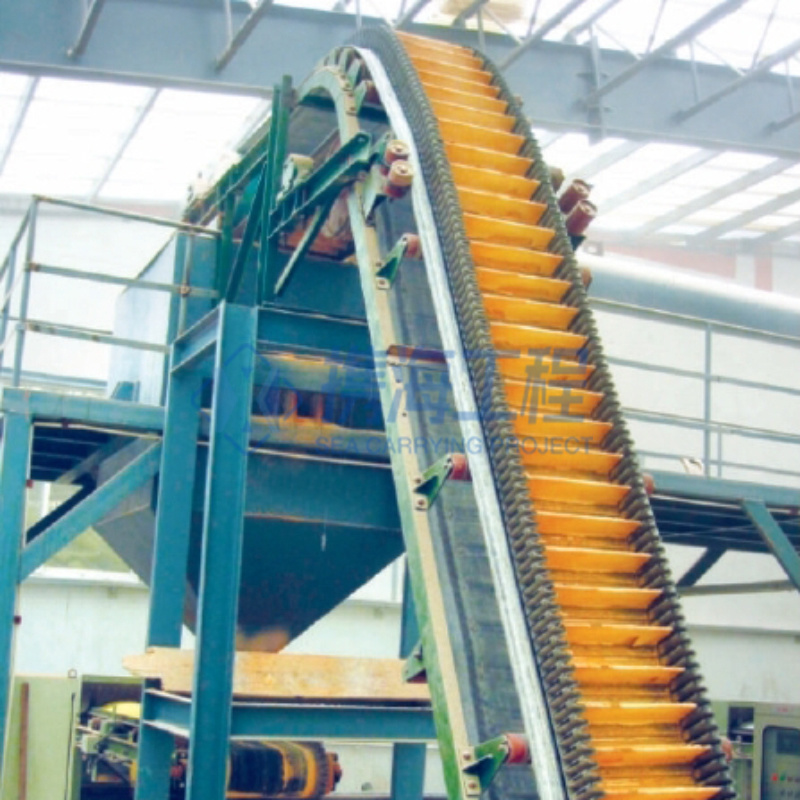
Conveying equipment, often referred to as conveyor systems, are essential components in a multitude of industrial operations. These systems facilitate the movement of materials, products, and components from one location to another within a facility. They are employed in numerous sectors, including manufacturing, packaging, and distribution, significantly enhancing productivity and reducing manual labor.
The core function of conveying equipment is to transport materials efficiently. Various types of conveyors exist, each designed to meet specific operational needs. For instance, belt conveyors utilize a continuous loop of material to move products, making them ideal for transporting bulk items over long distances. On the other hand, roller conveyors are commonly used for transporting items in a straight line, allowing for easy loading and unloading.
One of the primary advantages of utilizing conveying equipment is the reduction of manual handling. This not only minimizes the risk of workplace injuries but also allows employees to focus on more value-added tasks. By automating the transportation of materials, businesses can achieve higher levels of efficiency and operational reliability. Furthermore, conveyors can be easily integrated into existing production lines, ensuring a seamless flow of goods and minimizing downtime.
In addition to enhancing productivity, conveying systems also contribute to better inventory management. With the ability to transport materials directly to the required location, businesses can maintain streamlined operations and reduce the risk of errors associated with manual transport. This ensures that products are delivered to the right place at the right time, improving overall supply chain management.
Another important aspect of conveying equipment is its adaptability. Depending on the specific needs of a facility, conveyors can be customized in terms of size, speed, and materials used. For instance, in environments where hygiene is essential, such as food processing or pharmaceuticals, conveyors can be designed with easy-to-clean materials and hygienic features to meet safety regulations.
Moreover, advancements in technology have led to the development of smart conveying systems. These modern conveyors can be equipped with sensors and control systems that monitor performance and optimize operations. By integrating IoT (Internet of Things) capabilities, businesses can gather real-time data on material flow, enabling proactive maintenance and reducing the risk of unexpected downtime.
In conclusion, conveying equipment serves as a vital link in the chain of industrial operations. By understanding the various types and functionalities of these systems, businesses can make informed decisions that enhance productivity, improve safety, and optimize their logistics processes. Investing in the right conveying solutions can provide a competitive edge, ensuring that operations run smoothly and efficiently.
Previous article



Telephone
Company Address
Weier Business 801, No. 92 Huai'an East Road, Yuhua District, Shijiazhuang City, Hebei Province