Expert of Systematic Overall Solution for Calcium Material Resource Utilization

How to Choose Between Various High Efficiency Furnace Filters: A Comprehensive Guide
Sep 05,2026
How to Choose Between Various High Efficiency Furnace Filters
Table of Contents
1. Introduction to High Efficiency Furnace Filters
2. Importance of High Efficiency Furnace Filters
3. Types of High Efficiency Furnace Filters
3.1 Pleated Filters
3.2 Electrostatic Filters
3.3 Carbon Filters
3.4 HEPA Filters
3.5 Washable Filters
4. Understanding MERV Ratings
5. Criteria for Selecting the Right Filt
How to Choose Between Various High Efficiency Furnace Filters
Table of Contents
- 1. Introduction to High Efficiency Furnace Filters
- 2. Importance of High Efficiency Furnace Filters
- 3. Types of High Efficiency Furnace Filters
- 3.1 Pleated Filters
- 3.2 Electrostatic Filters
- 3.3 Carbon Filters
- 3.4 HEPA Filters
- 3.5 Washable Filters
- 4. Understanding MERV Ratings
- 5. Criteria for Selecting the Right Filter
- 5.1 Consider Your Home Size
- 5.2 Consider Allergies and Sensitivities
- 5.3 Match Filter to Furnace Type
- 6. Maintenance and Longevity of Filters
- 7. Cost Considerations for High Efficiency Filters
- 8. Frequently Asked Questions
- 9. Conclusion
1. Introduction to High Efficiency Furnace Filters
High efficiency furnace filters play a crucial role in maintaining the air quality within your home while ensuring that your heating system operates effectively. These filters capture airborne particles, allergens, and pollutants, thus contributing to a healthier living environment. As homeowners become more conscious of energy efficiency and indoor air quality, making an informed decision regarding furnace filters is increasingly important.
2. Importance of High Efficiency Furnace Filters
Investing in high efficiency furnace filters can lead to significant benefits, including:
- **Improved air quality**: Filters trap dust, pollen, smoke, and pet dander, reducing allergens in the air.
- **Enhanced HVAC efficiency**: A clean filter helps your heating system run smoothly, leading to lower energy costs.
- **Extended equipment lifespan**: Regularly replacing filters prevents strain on your furnace, maximizing its lifespan.
3. Types of High Efficiency Furnace Filters
When choosing a furnace filter, it’s essential to understand the various types available. Each type has its own advantages, which can impact your decision.
3.1 Pleated Filters
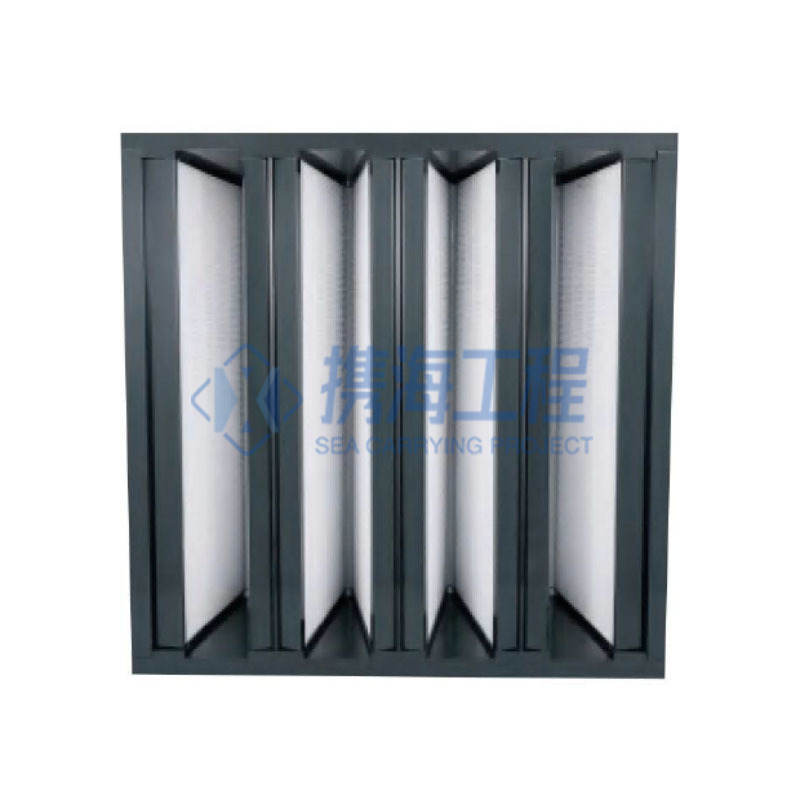
Pleated filters are popular for their increased surface area, allowing for better airflow and filtration efficiency. They are designed with folds that create more media for catching particles, making them effective at trapping small particles. Pleated filters typically have MERV ratings between 8 and 13, making them suitable for most residential applications.
3.2 Electrostatic Filters
Electrostatic filters use static electricity to attract and capture airborne particles. They are washable and reusable, making them a cost-effective option over time. These filters are available in both disposable and washable versions, with MERV ratings that can range significantly, depending on the model.
3.3 Carbon Filters
Carbon filters, often combined with other types, are specifically designed to remove odors and gaseous pollutants from the air. They contain activated carbon, which absorbs unwanted smells and chemical vapors. While they may not be as efficient at trapping larger particles, they excel in improving indoor air quality by tackling odors.
3.4 HEPA Filters
High-Efficiency Particulate Air (HEPA) filters are well-known for their superior filtration capabilities. They can capture up to 99.97% of particles as small as 0.3 microns, making them ideal for allergy sufferers and households with pets. However, HEPA filters may require a more robust HVAC system due to their dense structure, which can restrict airflow.
3.5 Washable Filters
Washable filters are designed to be reused, making them an environmentally friendly option. They can be cleaned and reinstalled, but it’s essential to follow proper maintenance guidelines. While they can be cost-effective in the long run, their efficiency may not match that of disposable high-efficiency filters.
4. Understanding MERV Ratings
The Minimum Efficiency Reporting Value (MERV) rating system measures the effectiveness of filters in capturing particles of different sizes. The higher the MERV rating, the more efficient the filter is at trapping small particles. Here’s a breakdown of MERV ratings:
- **MERV 1-4**: Basic filtration, suitable for larger particles.
- **MERV 5-8**: Better at capturing allergens like dust and pollen.
- **MERV 9-12**: Effective against smaller particles, including pet dander and mold spores.
- **MERV 13-16**: Highly efficient, capturing most airborne particles, including bacteria and smoke.
- **MERV 17-20**: Used in specialized applications, such as hospitals.
5. Criteria for Selecting the Right Filter
Choosing the ideal high-efficiency furnace filter requires considering several factors that directly affect your home and HVAC system.
5.1 Consider Your Home Size
The size of your home plays a significant role in filter selection. Larger homes may require filters with higher MERV ratings to ensure adequate air circulation and filtration throughout multiple rooms. Conversely, smaller homes or apartments might be adequately served by lower-rated filters.
5.2 Consider Allergies and Sensitivities
If you or your family members suffer from allergies or respiratory issues, opting for a filter with a higher MERV rating is advisable. Filters that trap smaller particles can significantly reduce allergens and improve overall indoor air quality.
5.3 Match Filter to Furnace Type
Different types of furnaces require specific filters. For example, HEPA filters may not be compatible with all HVAC systems. Always check your furnace’s specifications and choose a filter that matches its requirements to avoid damaging the unit.
6. Maintenance and Longevity of Filters
To maximize the effectiveness of your high-efficiency furnace filter, regular maintenance is crucial. Check and replace filters according to the manufacturer’s recommendations, typically every 1-3 months for disposable filters and annually for washable filters. Clogged filters can restrict airflow, reducing heating efficiency and potentially damaging your HVAC system.
7. Cost Considerations for High Efficiency Filters
When evaluating high-efficiency furnace filters, it’s essential to consider both initial costs and long-term savings. While higher MERV-rated filters may come with a higher upfront cost, the energy savings and improved air quality can provide significant returns on your investment.
- **Disposable Filters**: Generally range from $5 to $50, depending on size and MERV rating.
- **Washable Filters**: Initial costs can be higher, often ranging from $30 to $100, but they can last several years with proper maintenance.
8. Frequently Asked Questions
What is the best MERV rating for residential use?
For most residential applications, a MERV rating between 8 and 13 is ideal. This range effectively captures common allergens while maintaining good airflow.
How often should I change my furnace filter?
It’s generally recommended to replace disposable filters every 1-3 months, depending on usage and air quality conditions.
Can I wash my high-efficiency filter?
Some filters are washable, while others are designed for single use. Always check the manufacturer's guidelines to determine if your filter is washable.
Do high-efficiency filters reduce airflow in my HVAC system?
Higher MERV-rated filters can restrict airflow if your system is not designed to handle them. It’s crucial to ensure compatibility with your furnace.
Are carbon filters worth the investment?
If odors or chemical pollutants are a concern in your home, carbon filters can effectively address these issues, making them a worthwhile investment in conjunction with other filters.
9. Conclusion
Selecting the right high-efficiency furnace filter can significantly affect your home's air quality, HVAC efficiency, and overall health. By understanding the types of filters available, the importance of MERV ratings, and the specific needs of your home, we can make informed decisions that enhance comfort and energy efficiency. Investing in quality filters today will lead to a healthier living environment and lower energy costs in the long run. Choose wisely and breathe easy.




Telephone
Company Address
Weier Business 801, No. 92 Huai'an East Road, Yuhua District, Shijiazhuang City, Hebei Province