Expert of Systematic Overall Solution for Calcium Material Resource Utilization

The Role of High Efficiency Furnace Filters in Industrial Settings: Enhancing Performance and Air Quality
Nov 21,2025
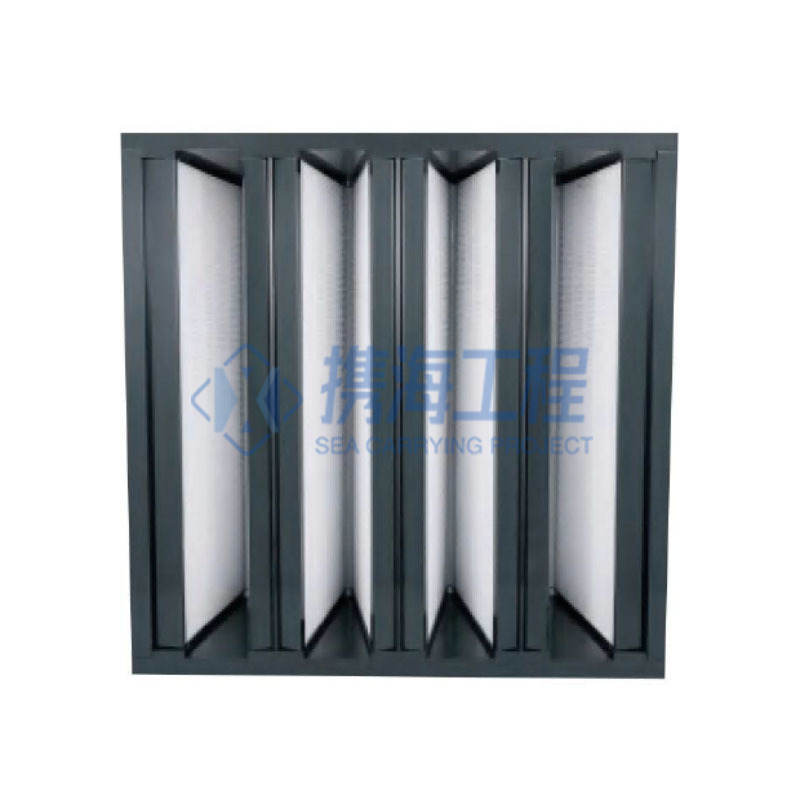
The Role of High Efficiency Furnace Filters in Industrial Settings
In the ever-evolving landscape of industrial operations, maintaining a clean and efficient working environment is paramount for productivity and worker health. High efficiency furnace filters play a crucial role in this aspect. They are designed to trap a higher percentage of airborne particles compared to standard filters, making them indispensable in modern industrial settings. This article delves into the importance of high efficiency furnace filters, their benefits, and how they contribute to improved air quality and operational efficiency.
Understanding High Efficiency Furnace Filters
High efficiency furnace filters are specialized filtration systems used in HVAC (Heating, Ventilation, and Air Conditioning) systems to enhance air quality by removing dust, pollen, mold spores, and other pollutants. Unlike standard filters that may only capture larger particles, these high-efficiency filters utilize advanced materials and designs to achieve a Minimum Efficiency Reporting Value (MERV) rating of 8 or higher.
The Science Behind High Efficiency Filters
The effectiveness of high efficiency furnace filters lies in their construction. Typically made from pleated synthetic fibers, these filters create a larger surface area for capturing contaminants. The design encourages improved airflow and ensures that the filters can trap microscopic particles that can cause respiratory issues and other health problems. The filtration mechanism can include elements such as:
- Electrostatic attraction: Many filters are treated to have an electrostatic charge, attracting and capturing particles more effectively.
- Multi-layer filtration: These filters often consist of multiple layers, each designed to capture different sizes of particles.
- High-density media: The materials used are densely packed to enhance the filter’s ability to trap fine particulates.
Benefits of High Efficiency Furnace Filters in Industrial Applications
Implementing high efficiency furnace filters in industrial settings offers a myriad of benefits that extend beyond just air quality improvement. These advantages include:
1. Enhanced Air Quality
By capturing a significant percentage of airborne contaminants, high efficiency furnace filters contribute to a healthier work environment. This is particularly important in industries where employees are exposed to harmful particles that could lead to long-term health issues.
2. Improved Equipment Longevity
Keeping the air clean also means that industrial equipment operates more efficiently. Dust and debris can accumulate in machines, leading to wear and tear, increased maintenance costs, and potential breakdowns. High efficiency filters help to minimize this risk.
3. Energy Efficiency
While high efficiency filters may have a higher initial cost, they can lead to energy savings over time. By maintaining optimal airflow, HVAC systems do not have to work as hard to heat or cool facilities, resulting in lower energy bills.
4. Regulatory Compliance
Many industries are subject to strict regulations regarding air quality and workplace safety. Utilizing high efficiency furnace filters can help companies comply with these regulations, avoiding potential fines and enhancing their reputation.
5. Reduced Maintenance Requirements
High efficiency filters are designed to last longer than standard filters, which reduces the frequency of changes. This convenience can lead to lower maintenance costs and less downtime for industrial operations.
Choosing the Right High Efficiency Furnace Filter
With various options available, selecting the appropriate high efficiency furnace filter for an industrial setting is crucial. Factors to consider include:
1. MERV Rating
The Minimum Efficiency Reporting Value (MERV) rating provides insight into a filter’s efficiency at capturing particles of different sizes. For industrial applications, a MERV rating of 11 or higher is often recommended.
2. Compatibility with HVAC Systems
Ensure that the selected filter is compatible with existing HVAC systems. Filters come in various sizes and shapes, so proper measurements are essential to avoid performance issues.
3. Airflow Requirements
High efficiency filters can sometimes restrict airflow if not selected correctly. It is vital to balance filtration efficiency with the system’s airflow requirements for optimal performance.
4. Type of Particles to Capture
Identify the specific types of pollutants prevalent in the industrial environment. Different filters target different particles, so understanding the unique challenges of the facility will guide the selection process.
Installation and Maintenance Best Practices
Proper installation and maintenance of high efficiency furnace filters are essential to ensure they perform effectively. Here are some best practices:
1. Regular Monitoring and Replacement
Establishing a schedule for monitoring filter performance and replacing them when necessary is vital. This helps maintain both air quality and HVAC system efficiency.
2. Professional Installation
Consider hiring professionals for installation to ensure filters are fitted correctly, avoiding potential air leaks and ensuring optimal performance.
3. Utilize Pressure Gauges
Installing pressure gauges can help monitor the pressure drop across filters. This information is crucial for determining when filters need to be changed.
4. Maintain a Clean Environment
Conduct regular cleaning and maintenance of the surrounding area to ensure that the filters do not get overloaded with particulates prematurely.
Industry-Specific Applications of High Efficiency Furnace Filters
High efficiency furnace filters find applications across various industries, including:
1. Manufacturing Facilities
In manufacturing, the presence of dust and particulates is common. High efficiency filters help to maintain air quality, thereby protecting workers and equipment.
2. Pharmaceutical Industries
In pharmaceutical settings, stringent air quality standards must be met. High efficiency filters are essential for maintaining sterile environments and ensuring product integrity.
3. Food Processing Plants
Food safety is paramount in this industry. High efficiency filters help prevent contaminants from affecting food products, ensuring compliance with health standards.
4. Electronics Manufacturing
In the electronics industry, airborne particles can damage sensitive components. High efficiency filters are crucial for maintaining a contaminant-free environment.
Cost Considerations of High Efficiency Furnace Filters
While the initial investment in high efficiency furnace filters may be higher than standard options, the long-term benefits often outweigh the costs. Here’s how to evaluate the cost-effectiveness:
1. Initial Investment vs. Long-Term Savings
When assessing the costs, consider not only the purchase price of filters but also the potential savings on energy bills, reduced maintenance costs, and improved worker productivity.
2. Operational Downtime
Calculate the potential costs associated with equipment failure or downtime due to poor air quality. High efficiency filters can mitigate these risks, leading to considerable savings.
3. Health Care Costs
Investing in high efficiency filters can potentially lower healthcare costs associated with respiratory issues caused by poor air quality, creating a healthier workforce.
FAQs About High Efficiency Furnace Filters in Industrial Settings
1. What is the difference between high efficiency furnace filters and standard filters?
High efficiency furnace filters capture a greater percentage of airborne particles than standard filters, often rated with a MERV rating of 8 or higher, which makes them more effective in improving air quality.
2. How often should high efficiency furnace filters be replaced?
The frequency of replacement depends on various factors, including the level of pollutants present and the type of HVAC system. Typically, filters should be checked every 1-3 months.
3. Can high efficiency furnace filters restrict airflow?
If not properly selected for the HVAC system, high efficiency filters can restrict airflow. It’s essential to choose the right MERV rating and size to maintain optimal airflow.
4. Are high efficiency furnace filters worth the investment?
Yes, they are often worth the investment due to the long-term benefits, including improved air quality, reduced maintenance costs, and enhanced equipment longevity.
5. What types of industries benefit the most from high efficiency furnace filters?
Industries such as manufacturing, pharmaceuticals, food processing, and electronics manufacturing greatly benefit from high efficiency furnace filters due to their unique air quality challenges.
Conclusion
High efficiency furnace filters serve a vital role in industrial settings by improving air quality, enhancing equipment performance, and ensuring compliance with health regulations. By understanding their benefits, making informed choices regarding selection and maintenance, and recognizing their application across various industries, businesses can create healthier and more efficient work environments. Investing in high efficiency filters not only safeguards employee health but also contributes to the overall success of industrial operations.





Telephone
Company Address
Weier Business 801, No. 92 Huai'an East Road, Yuhua District, Shijiazhuang City, Hebei Province